Before I was a sculptor, before I was a teacher, before I was the woman with paint on her hands and five different unfinished ideas sitting on the table, I was a little girl in a family folk group.
That is not exactly a sentence everyone gets to say.
I grew up in The Bergerfolk, my family’s folk music group, which meant childhood looked a little different for me. Some kids had Saturday morning cartoons and soccer practice. I had rehearsals, harmonies, car rides, stages, microphones, festivals, audiences, and the particular experience of learning very young that if you are going to perform, you better know where your shoes are.
There was always music in the air.
Not in a cute decorative way. I mean literally. Music was in the house, in the car, backstage, onstage, at festivals, in conversations, in practice sessions, and in the rhythm of how our family moved through the world. Songs were not separate from life. They were part of how we communicated, remembered, worked, traveled, and connected.
Looking back, I understand how unusual that was. At the time, of course, it was just my family.
Which is how childhood works, right? You assume your normal is normal until you get older and realize, Oh. Not everyone spent their early years singing folk songs with their siblings and parents in front of actual audiences.
Growing Up Inside the Music
Being part of The Bergerfolk meant learning early that art was not something locked away in museums or saved for special occasions. It was daily life. It was work. It was practice. It was community. It was also sometimes itchy clothes, tangled cords, tired kids, and adults saying, “One more time,” when everyone knew it was absolutely not going to be one more time.
Still, there was magic in it.
There is something powerful about singing with your family. You learn to listen. You learn when to lead and when to blend. You learn that your voice matters, but it also has to live inside something larger than itself.
That lesson stayed with me.
It shows up in my visual work. It shows up in my teaching. It shows up in the way I think about classrooms, communities, collaboration, and creative life. I have always been interested in how individual voices come together to make something richer, stranger, fuller, and more alive.
That began with music.
Singing on Every Album
I sang on every Bergerfolk album.
That still feels wild to say. There is this recorded evidence of me as a child, part of the family sound, part of the harmonies, part of that whole creative world we were building together. Those albums are not just music to me. They are family history. They are time capsules. They hold our voices, our ages, our energy, our weird little childhood seriousness, and the feeling of a family making something together.
My favorite song to sing was “My Pigeon House.”
I loved that song.
There was something about it that felt playful and sweet and visual to me. Even now, when I think of it, I do not just hear it. I see it. That is probably the artist brain talking, but honestly, the artist brain has been running the show for a very long time.
I have always seen songs as images. I see color, shape, texture, movement. A melody can feel like a line drawing. A harmony can feel like layers of paper. A lyric can become a picture before I even know what I am doing with it.
That connection between sound and image has always been there for me.
My Biggest Dream
I also wrote a song called “My Biggest Dream.”
And really, how perfectly dramatic is that? Very on-brand for a child artist, honestly.
But I love that little girl for writing it. I love that she had a biggest dream and thought, well, obviously this should become a song. That instinct, to turn feeling into form, has never left me.
As a child, I turned it into music.
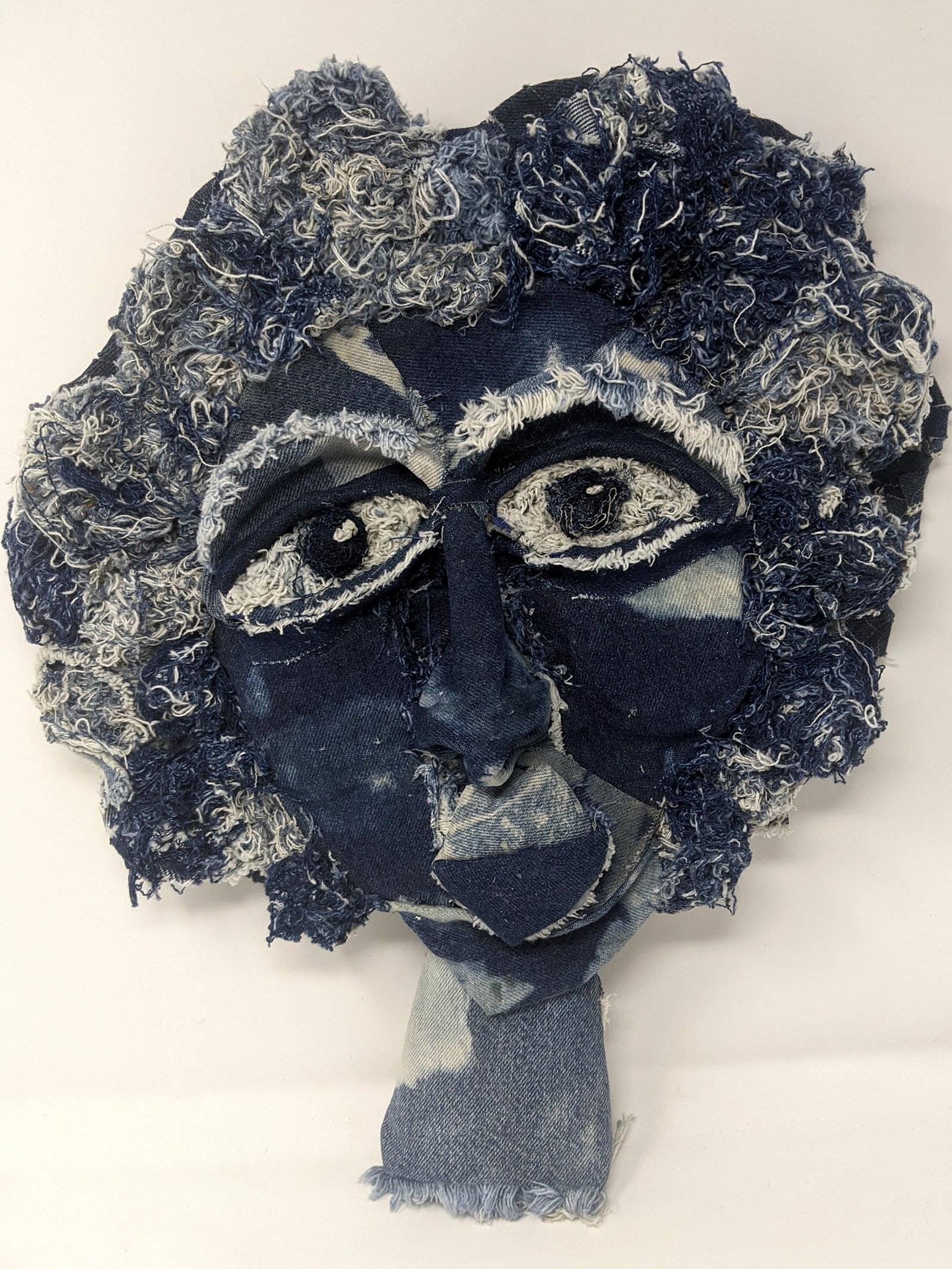
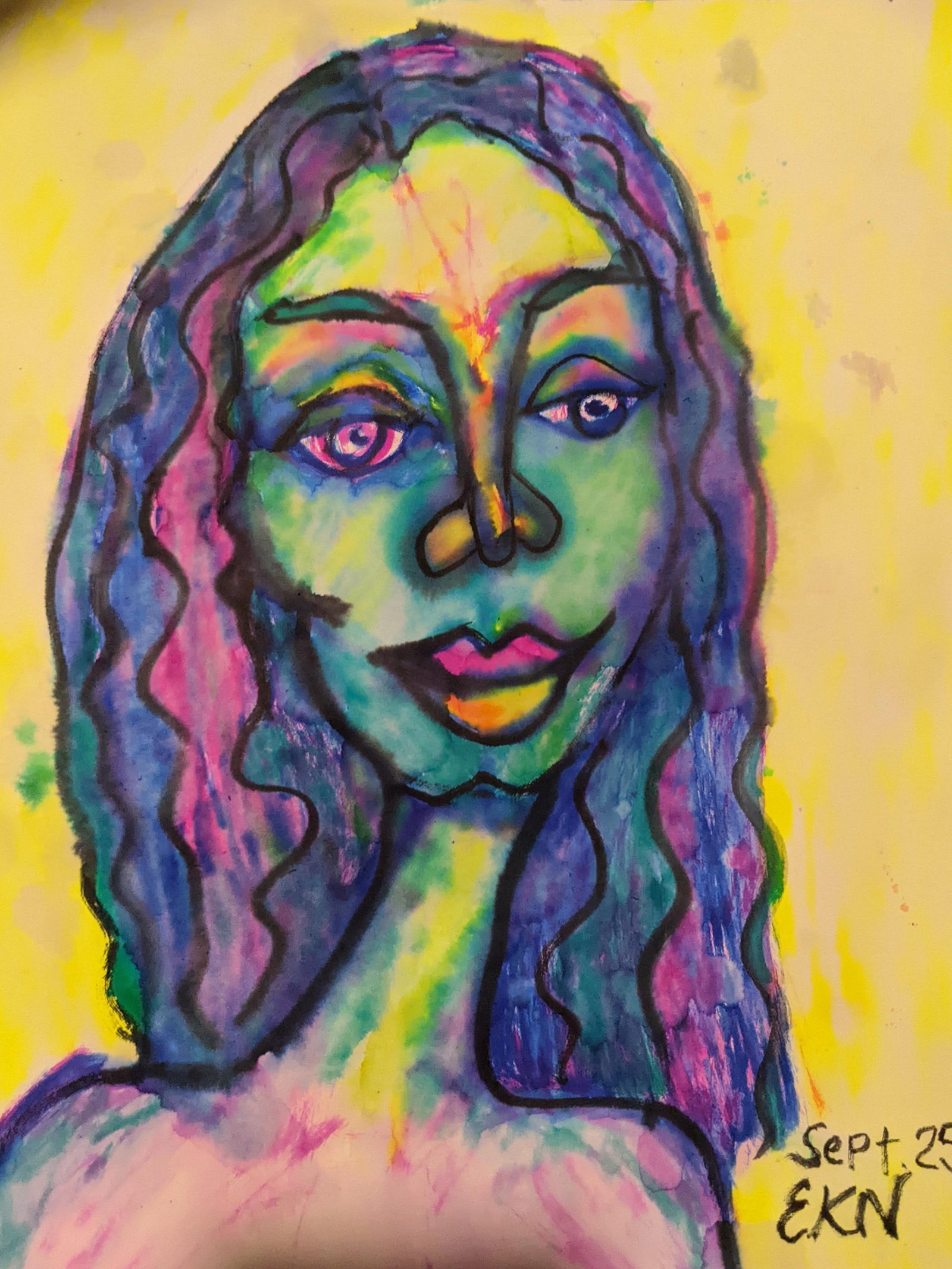
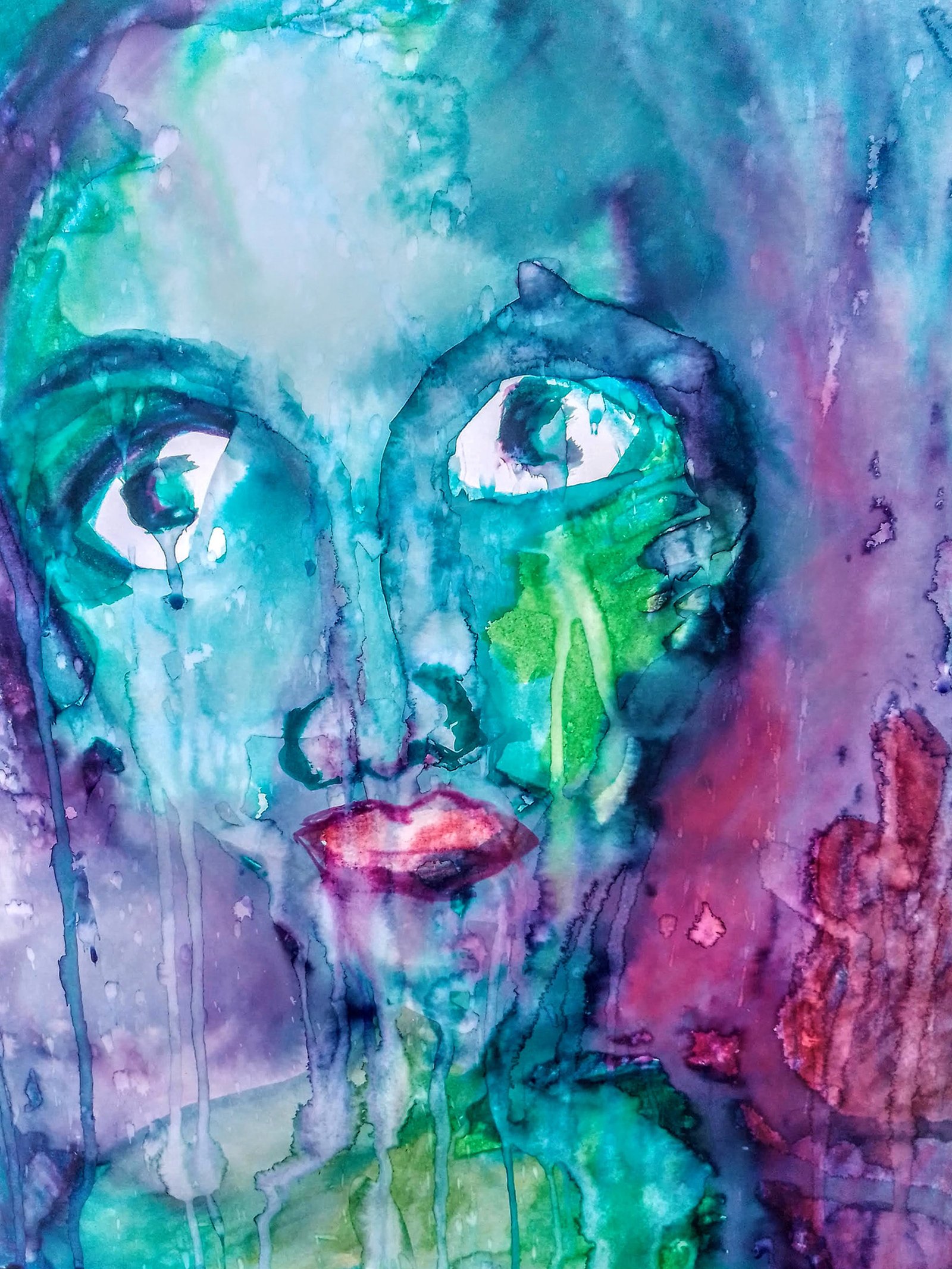
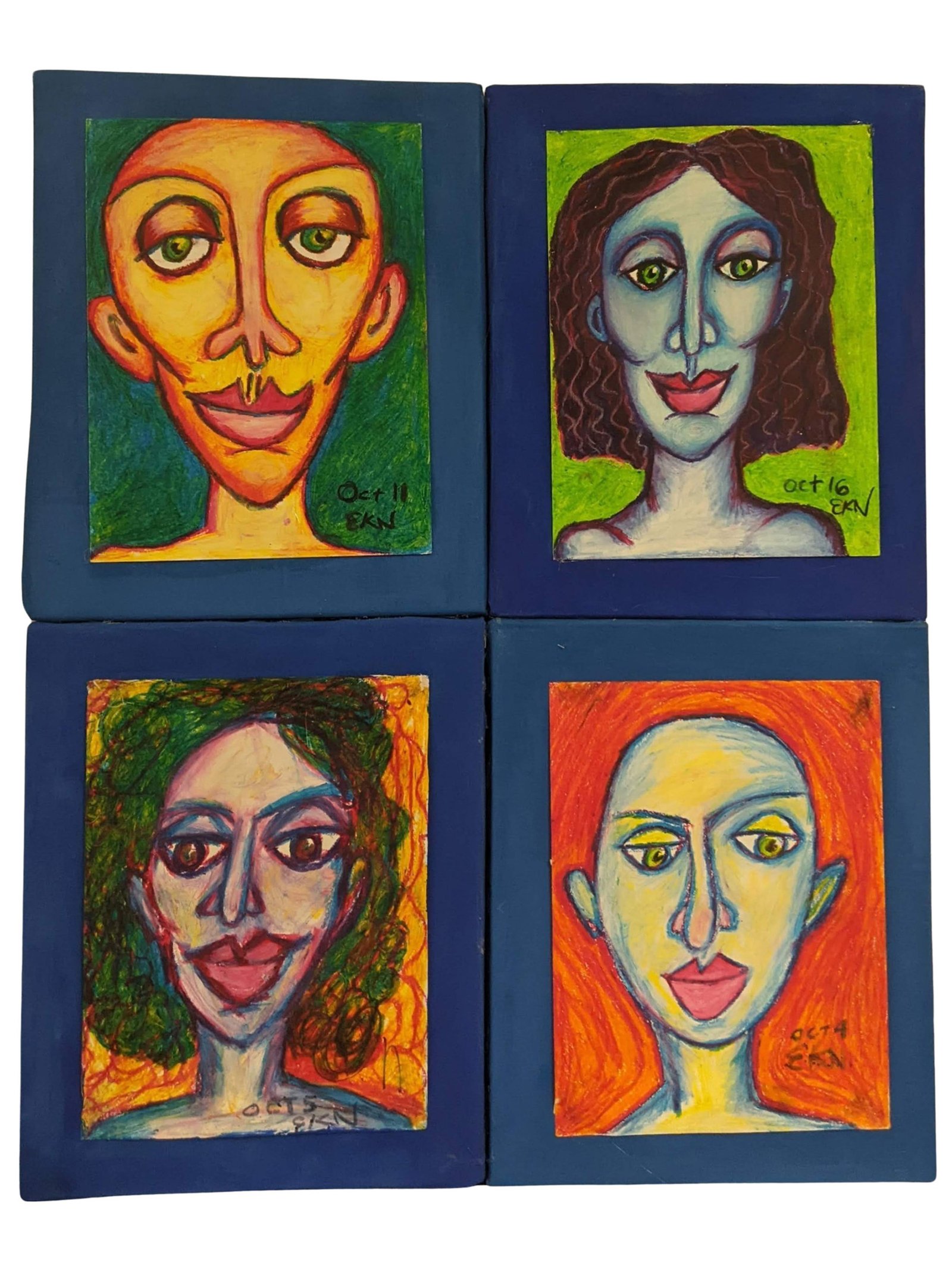
Later, I turned it into drawing, sculpture, photography, collage, teaching, journals, and all the other ways I have tried to make sense of life.
“My Biggest Dream” reminds me that I was always reaching toward something. I may not have had the language for it yet, but I had the impulse. I wanted to make. I wanted to express. I wanted to be heard. I wanted to connect.
That is still true.
The materials have changed, but the impulse is the same.
Folk Music, Museums, and the Beginning of an Artist
Because of The Bergerfolk, I was exposed to travel, culture, music, audiences, and art at a very young age. Between performances and tours, I found myself in museums, looking at paintings, sculptures, objects, and worlds I could not yet explain but absolutely felt.
Those museum visits mattered.
They were quiet in a way the stage was not. Onstage, you project outward. In a museum, something comes toward you. You stand in front of a work of art, and it asks you to pay attention. It asks you to slow down. It asks you to look.
I was a child, but I understood that art had power.
I did not know yet that I would become a sculptor. I did not know I would study fine art, teach children, work with seniors, build curriculum, or spend my life returning to the same creative questions in different forms.
But the roots were already there.
Music taught me rhythm. Museums taught me looking. Performance taught me presence. Family taught me collaboration. Folk songs taught me storytelling. Travel taught me that the world was bigger than the little corner I knew.
All of that became part of my art.
The Folk Group Kid Becomes the Artist
Growing up in a performing family also teaches you a few practical things.
You learn to be adaptable. You learn to handle strangers. You learn that something will always go slightly wrong, and you will survive it. You learn that adults are often making it up as they go, which is honestly one of the great truths of life.
You also learn how to show up.
That has been one of the biggest through-lines in my creative life. Showing up for the work. Showing up for the class. Showing up for the students. Showing up for the idea even when it is messy and inconvenient and refuses to behave.
Art, like music, asks you to keep showing up.
It asks you to practice. It asks you to listen. It asks you to risk looking foolish. It asks you to try again. It asks you to trust that something meaningful can happen when people gather around a shared creative experience.
That is what I learned in The Bergerfolk.
Not as a theory.
As a child, inside it.
What The Bergerfolk Gave Me
The Bergerfolk gave me more than songs.
It gave me my first creative community. It gave me a sense of timing, memory, language, humor, and storytelling. It gave me the understanding that art does not have to be precious to be powerful. It can be sung around other people. It can be carried in a van. It can live on a record. It can happen in a school, a festival, a living room, a museum, a classroom, or around a kitchen table.
It gave me the belief that creativity belongs to everyday life.
That belief is still at the center of who I am.
When I teach children, I bring that with me. When I make art, I bring that with me. When I talk about creative practice, I bring that with me. When I help someone discover that there is an artist inside of them, waiting very patiently to be invited out, I bring that with me too.
Because I know what it feels like to grow up inside a creative legacy.
I know what it feels like to be shaped by song before you even understand the word “influence.” I know what it feels like to carry a family’s music in your body and later realize it has been guiding your hands all along.
Listen to The Bergerfolk
One of the beautiful things about this part of my life is that it still exists somewhere outside my memory. You can actually listen to it.
The clearest official place to find The Bergerfolk recordings is Smithsonian Folkways, where the albums can be previewed, purchased as downloads, or ordered as custom CDs. That feels pretty amazing to me, honestly. Childhood is such a slippery thing. So much of it becomes stories, smells, fragments, and the occasional family argument about who remembers what correctly. But these albums are still there. Our voices are still there.
The album “Bergerfolk, Vol. 2: Happy Landings, Family Folk Singing” specifically names me, Emily-Kate, as one of the Berger children in the group on that 1973 recording. Smithsonian Folkways describes The Bergerfolk as Steve, Phoebe, and their children Claudia, Jennifer, Margaret, Jonathan, and Emily-Kate. That album was the second of four records we made for Folkways.
I am also named on “Bergerfolk, Vol. 3: Sing of Sunshine and Rainbows,” the 1974 album where Smithsonian Folkways lists me among the Berger children performing with the family.
There are also the other official Bergerfolk recordings: “Bergerfolk, Vol. 1: Sing for Joy,” the first of the four Folkways albums, and “Bergerfolk, Vol. 4: Pack Up Your Sorrows,” the fourth and final Folkways album. Smithsonian Folkways’ catalog lists all four recordings as part of the Folkways collection.
For me, these albums are not just recordings. They are little time machines. They hold our family voices, our childhood energy, our harmonies, our seriousness, our sweetness, and probably a few moments where someone was trying very hard not to laugh. They are part of the archive of who I was before I had the language to call myself an artist.
And yes, I still have a soft spot for “My Pigeon House.”
That one will always be mine.
The Roots Are Still There
I am not a child onstage anymore.
I am a 59-year-old artist, educator, mother, wife, cancer survivor, former Philly art-school kid, New York-rooted, Minnesota-living woman who still believes art can save pieces of us we did not know needed saving.
But that little girl from The Bergerfolk is still in here.
She is there when I hear an old song. She is there when I pick up a pencil. She is there when I teach a child how to see shape and color. She is there when I stand in front of a painting and feel my whole body quiet down. She is there when I make something without knowing exactly why I need to make it.
She is still singing “My Pigeon House.”
She is still dreaming her biggest dream.
And honestly, I am grateful she never stopped.