Before Emily-Kate Niskey became a visual artist, arts educator, author, and creative leader, she was part of a living musical tradition. She was born into The Bergerfolk, a family folk group whose story belongs to the wider history of American folk music, family performance, and the cultural energy of the 1960s and 1970s.
The Bergerfolk were not a manufactured act or a polished commercial pop group. They were a real musical family: Steve Berger, a dentist and banjo player; his wife, Phoebe Berger, who played guitar and autoharp; and their children, who sang and performed alongside them. Smithsonian Folkways identifies the family members on their early recordings as Claudia, Jennifer, Margaret, Jonathan, and Emily, with later album notes specifically naming Emily-Kate among the children. Their music was recorded by Folkways Records, one of the most important labels in the preservation of folk, traditional, protest, children’s, international, and documentary music.
That connection matters. Folkways was not just another record label. It became part of the Smithsonian Folkways Recordings archive, a major cultural institution dedicated to preserving music from around the world. To have The Bergerfolk recordings preserved there places Emily-Kate’s childhood creative life inside a documented American folk tradition.
The Bergerfolk recorded four albums for Folkways Records during the 1970s. Their first album, “Bergerfolk, Vol. 1: Sing for Joy,” was released in 1971 and featured a mix of traditional songs, modern folk music, and original material. Smithsonian Folkways describes it as the first of four albums the group recorded for Folkways. The album included songs such as “Amazing Grace,” “What’ll We Do with the Drunken Sailor,” “I’ll Fly Away,” Woody Guthrie’s “Deportee” and “I’m Gonna Mail Myself to You,” as well as original songs by Phoebe Berger.
In 1973, The Bergerfolk released “Bergerfolk, Vol. 2: Happy Landings, Family Folk Singing.” This is one of the most important albums for Emily-Kate’s biography because Smithsonian Folkways specifically lists Emily-Kate as one of the children in the group on this recording. The album includes traditional songs, modern folk material, and culturally significant work such as Bob Dylan’s anti-war song “Masters of War.” Smithsonian notes that the group was made up of Steve Berger, Phoebe Berger, and their five children: Claudia, Jennifer, Margaret, Jonathan, and Emily-Kate.
Their third album, “Bergerfolk, Vol. 3: Sing of Sunshine and Rainbows,” was released in 1974. Smithsonian Folkways again names Emily-Kate as one of the Berger children performing on the recording, along with Jennifer Anne, Margaret Louise, and Jonathan Glenn. This album continued the family’s wide-ranging approach to folk music, moving between traditional songs and modern folk covers. The track list includes “Hobo’s Lullaby,” “What Did You Learn in School Today?,” “Get Together,” “You Are My Sunshine,” “Sunshine,” and “Michael, Row the Boat Ashore.”
By 1978, The Bergerfolk released their fourth and final Folkways album, “Bergerfolk, Vol. 4: Pack Up Your Sorrows.” Smithsonian describes it as their fourth and final album for Folkways. The record opened with Richard Fariña’s “Pack Up Your Sorrows” and included songs connected to major folk traditions and writers, including Woody Guthrie’s “This Land Is Your Land” and “Roll On Columbia,” Buffy Sainte-Marie’s “Universal Soldier,” and the hymn “Amazing Grace.”
What makes The Bergerfolk story powerful is not only that they recorded music. It is that they lived inside the folk tradition. A Smithsonian Folkways educational PDF describes The Bergerfolk as a family singing group from New York State and states that Steve and Phoebe Lou Berger toured with their five children, including Emily Kate, throughout Europe, the United States, and Canada when the children were not in school. They performed at concerts and summer camps and made four records for Folkways in the 1970s.
For Emily-Kate, this was not background noise. It was formation. She grew up in performance, travel, storytelling, music, audience connection, and cultural exchange. Between performances, she encountered museums, visual art, and the broader world of creative expression. That kind of childhood leaves a mark. It teaches an artist that art is not separate from life. Art is how families tell stories. Art is how communities remember. Art is how ordinary people carry history forward.
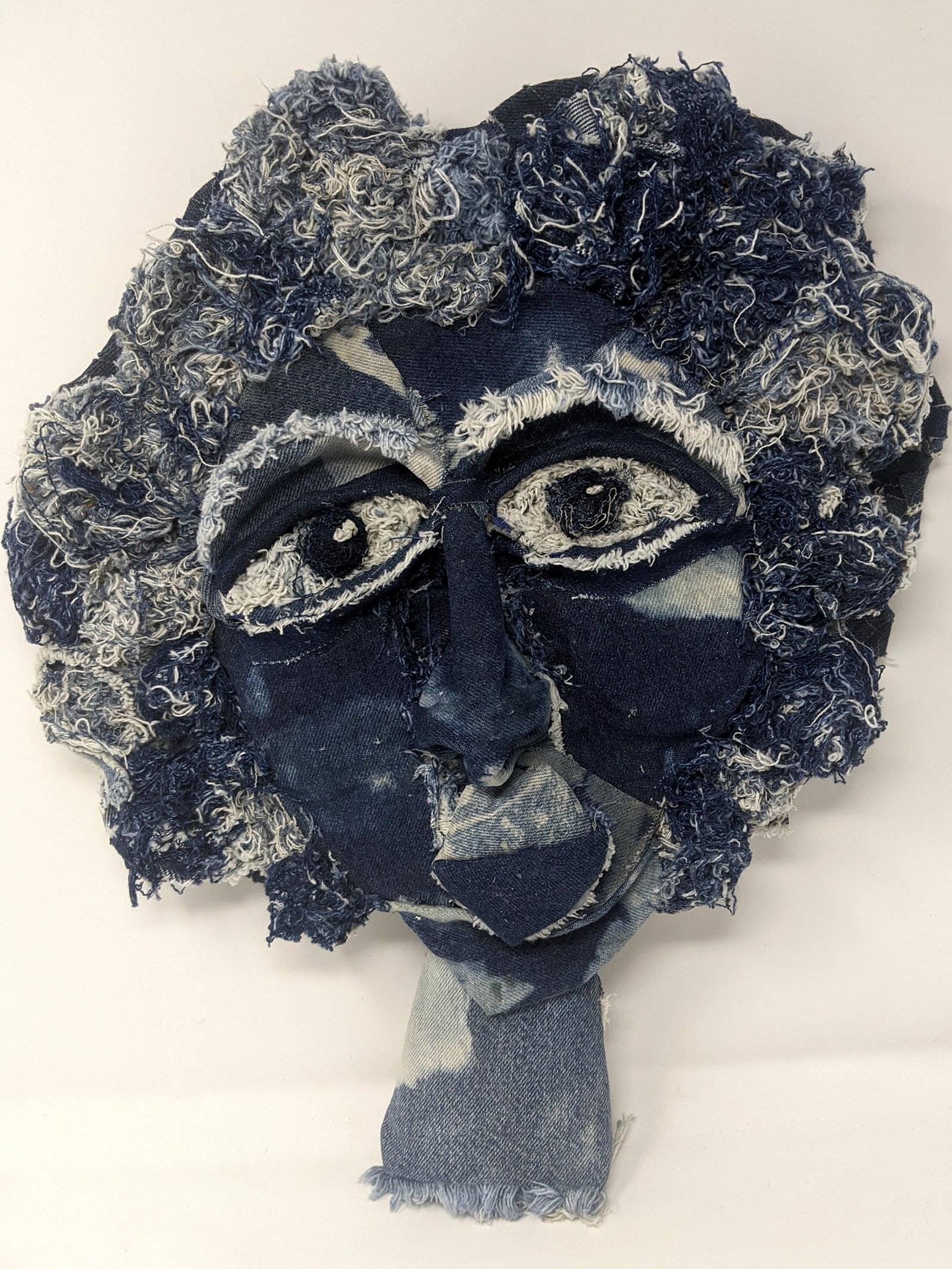
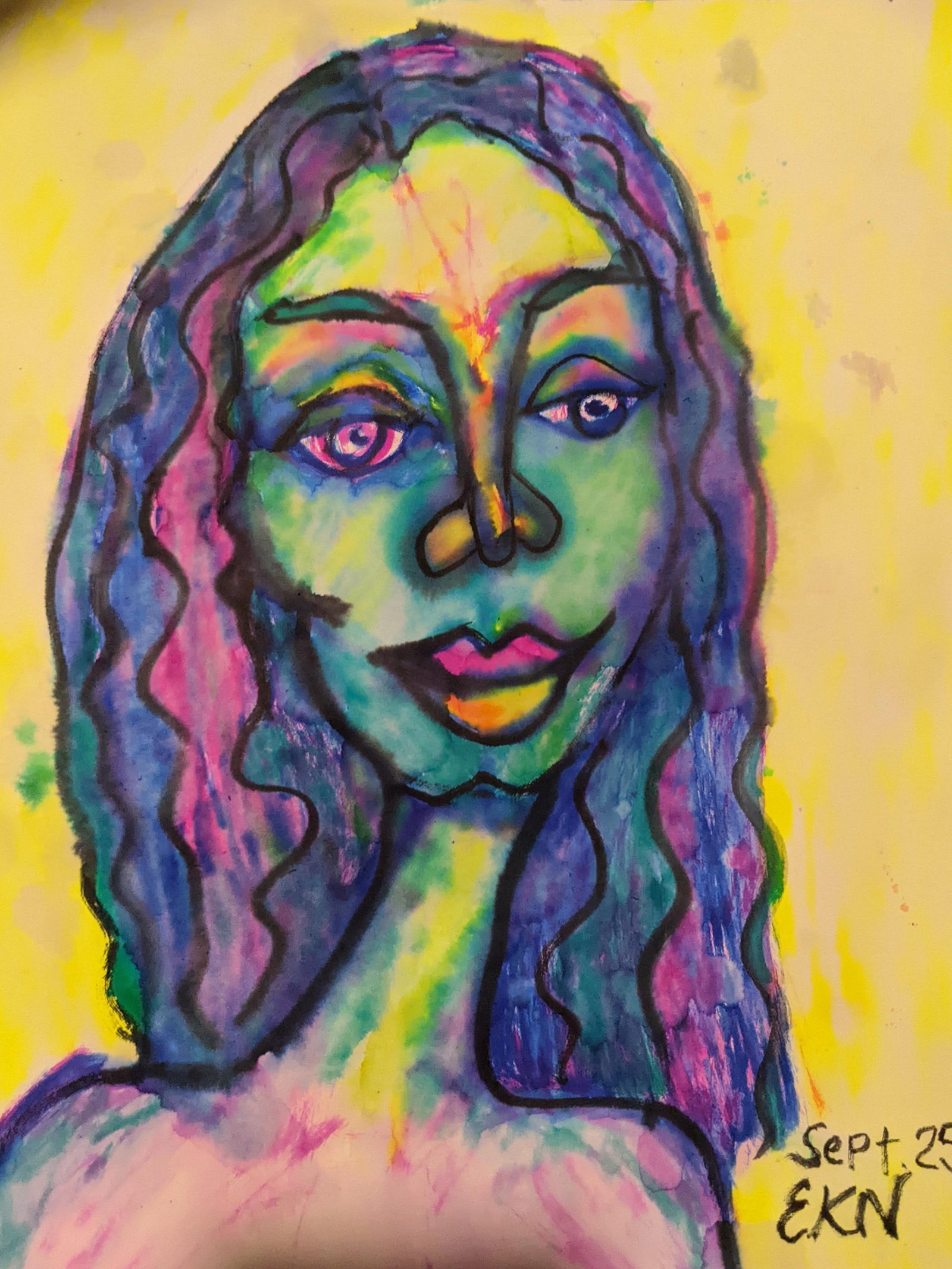
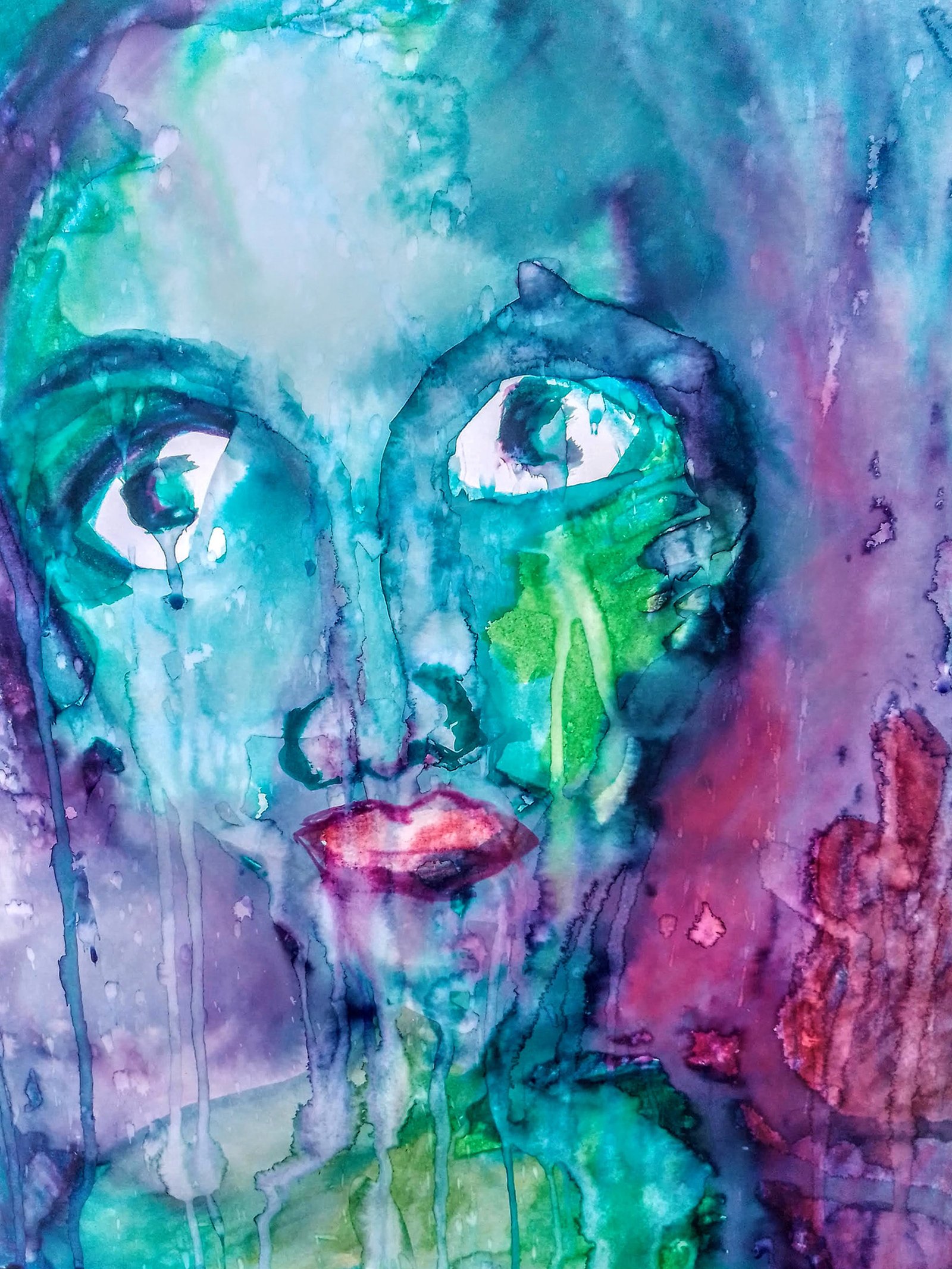
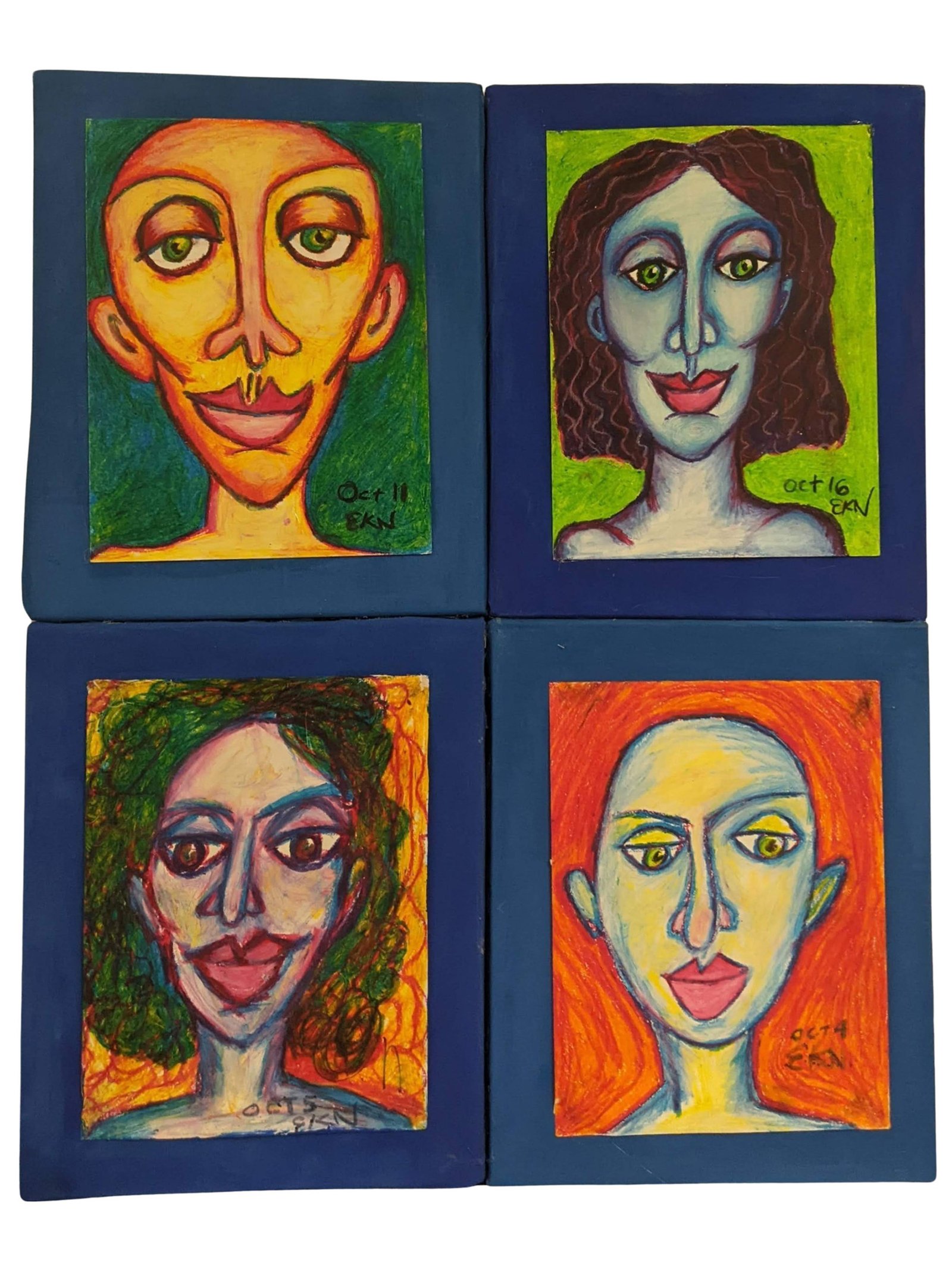
This history also helps explain the emotional range of Emily-Kate Niskey’s visual art today. Her work is not simply decorative or academic. It comes from a lifetime of creative immersion. The rhythm of folk music, the intimacy of family performance, the courage of protest songs, the tenderness of children’s songs, and the discipline of public performance all live somewhere beneath the surface of her visual practice.
The Bergerfolk’s legacy gives Emily-Kate’s story a rare kind of depth. She is not an artist who discovered creativity late in life. She was raised inside it. Her path from folk music stages to sculpture, mixed media, art education, children’s books, community programming, and healing-centered creative work is not a departure from her family history. It is an expansion of it.
The Bergerfolk sang songs about joy, hardship, justice, memory, childhood, faith, and hope. Emily-Kate’s art continues that same work through image, form, color, teaching, and storytelling. Her creative life carries forward the spirit of a family that believed art should be shared, performed, taught, preserved, and passed on.
Listen to The Bergerfolk
The clearest official source is Smithsonian Folkways, where the albums can be previewed, purchased as downloads, or ordered as custom CDs.
Album featuring Emily-Kate by name:
Bergerfolk, Vol. 2: Happy Landings, Family Folk Singing — Smithsonian Folkways specifically names Emily-Kate as one of the children in the group on this 1973 recording.
Also featuring Emily-Kate by name:
Bergerfolk, Vol. 3: Sing of Sunshine and Rainbows — Smithsonian Folkways names Emily-Kate as one of the Berger children performing on this 1974 album.
Other official Bergerfolk recordings:
Bergerfolk, Vol. 1: Sing for Joy — the first of the four Folkways albums.
Bergerfolk, Vol. 4: Pack Up Your Sorrows — the fourth and final Folkways album.