First Friday Beyond Philadelphia: How Art Walks Build Creative Communities
After writing about First Friday in Philadelphia, I found myself thinking about how that same idea travels. Philadelphia’s Old City First Friday has its own


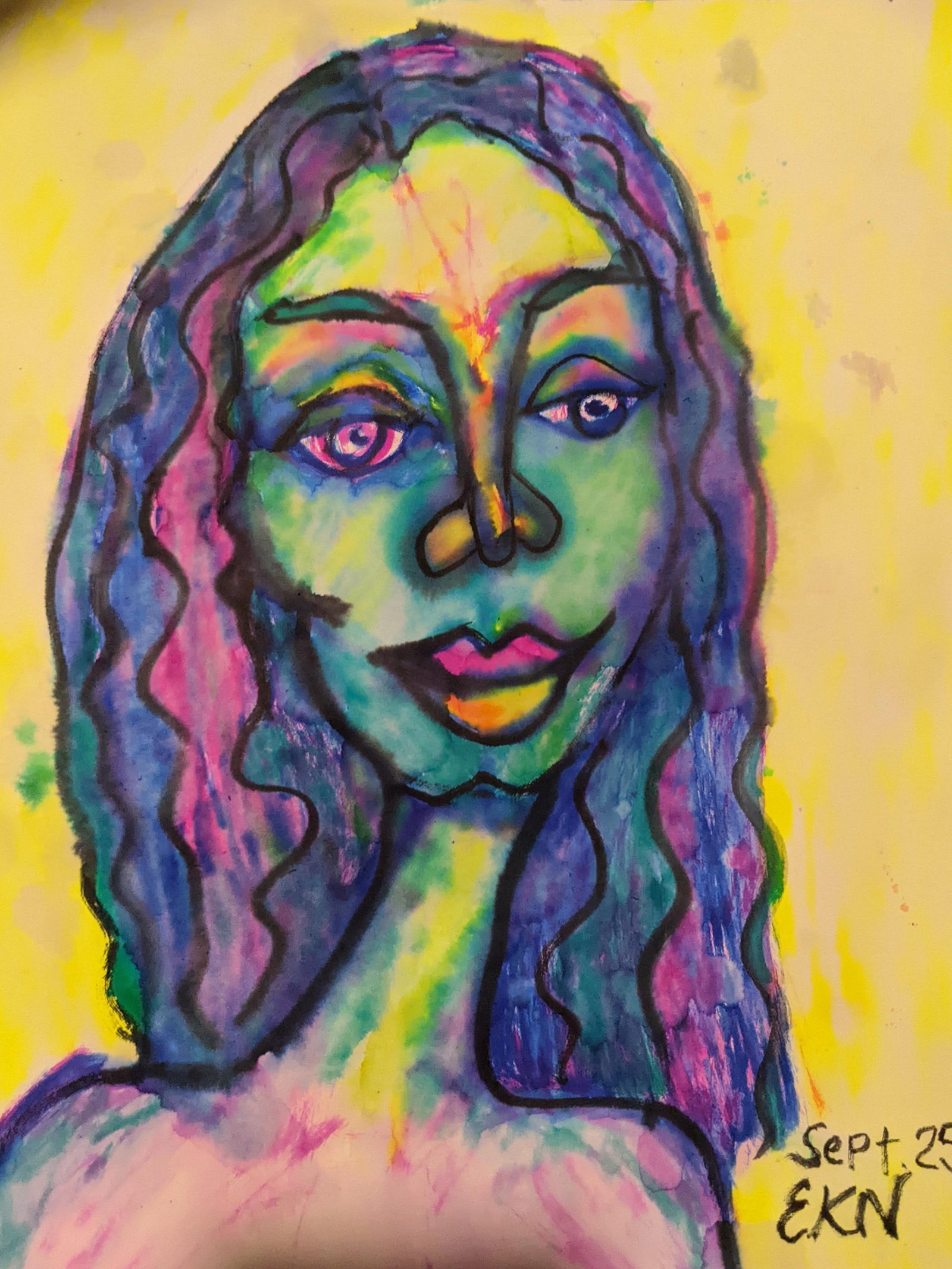
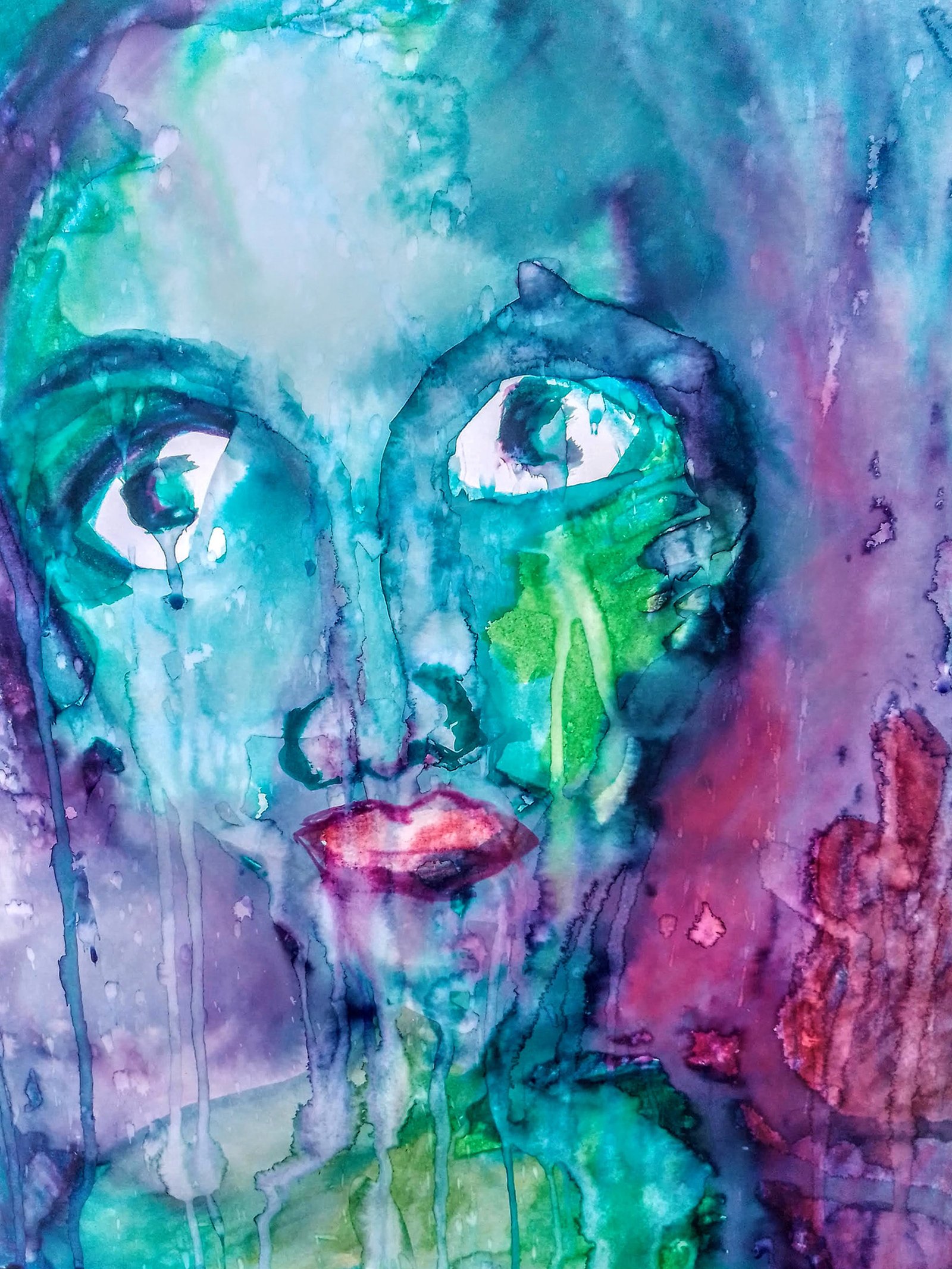
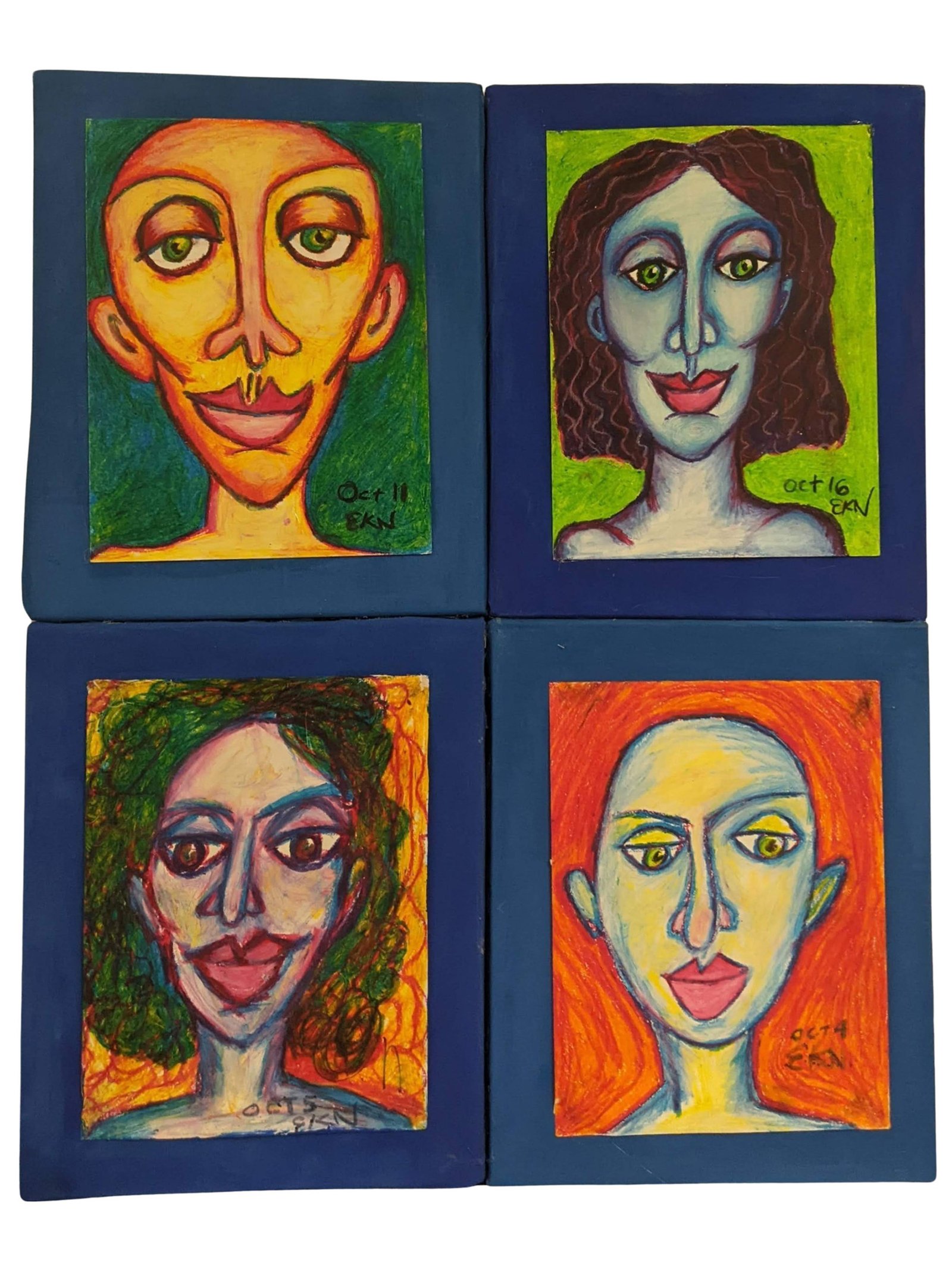
The minute I could pick up a pen, I understood something about making marks that I could not explain yet. Art became my way to escape the world, connect with other people, build confidence, find purpose, and make sense of things that did not always make sense in words.
Some people have sports. Some people have math. Some people have the ability to keep a clean car and answer emails immediately, which still feels like witchcraft to me. I had art.
Art was my first real language. It was how I processed joy, fear, grief, beauty, frustration, memory, and all the strange little moments that do not fit neatly into conversation. So, of course, it made sense that eventually I would want to share that language with other people.
That is how teaching became part of my journey as an artist and educator.
After I earned my master’s degree in curriculum design, I began creating my own art curriculum and teaching classes. I did not start with some big fancy studio or institutional program. Very Emily-Kate of me, I started at home. Then the classes grew, and eventually I moved into a small bookstore in Las Vegas, where I began teaching art to very young children, including 12 to 18-month-old “mommy, daddy, and me” classes.
And yes, toddlers absolutely can learn the elements of art. They may also try to eat the glue stick, but both things can be true.
Those early classes were joyful, messy, and surprisingly deep. We explored color theory, texture, form, line, and art history in ways that made sense for tiny hands and growing minds. We made Matisse-inspired cutouts. We created collages connected to the Mona Lisa and Mondrian. We looked at shape, color, composition, and expression, not through long lectures, but through doing.
That has always mattered to me. Children do not need art watered down. They need it opened up.


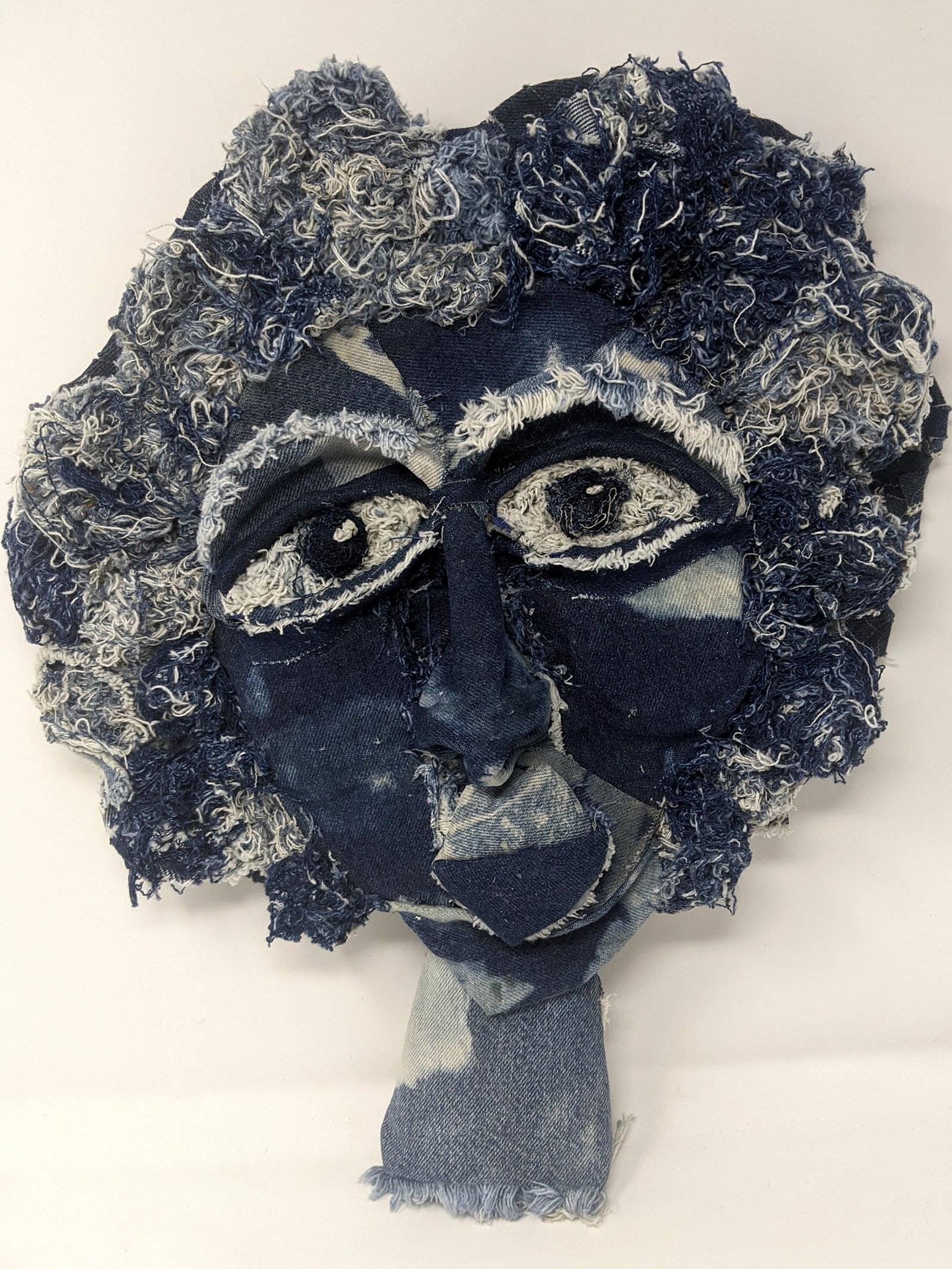
As my students got older, the classes expanded. I taught an introductory sculpture class in which students created plaster self-portrait sculptures over six weeks. That kind of work asks a lot from a young artist. It asks them to look at themselves, think about form, understand structure, and make choices about identity. It is not just “craft time.” It is observation, problem-solving, design, and self-reflection.
That experience is also deeply connected to my sculpture and mixed-media work.
I also taught printmaking classes, including screen printing, woodblock, linocut, and monoprinting. Students learned the elements of design, how to create screens, how to print on paper, and how to work with fabric. What began as an introduction to screen printing became more of an introduction to printmaking as a whole.
That is one of the things I love about teaching art. The lesson starts in one place, and then it grows legs.
I also taught a bookmaking class in which students created original stories, wrote and illustrated them, and bound them into finished books. That class brought together writing, visual storytelling, sequencing, design, fine motor skills, and pride of authorship. There is nothing quite like watching a student hold a book they made with their own hands.
It changes how they see themselves.
One of my favorite parts of teaching is building an art-immersed curriculum. To me, curriculum design is like a puzzle, and I genuinely enjoy the challenge. I love taking state standards and finding a way to weave them into an art lesson so naturally that students may not even realize how much they are learning.

English language arts can become storytelling, artist statements, vocabulary, sequencing, and critique. Science can become color mixing, material study, observation, nature-based sculpture, and experimentation. Math can become pattern, symmetry, geometry, measurement, proportion, and structure.
Art makes learning visible.
It gives students a way to touch an idea, build it, revise it, talk about it, and remember it. When students are making something, they are not passively receiving information. They are working with it. They are wrestling with it. They are turning it into something of their own.
That is where real learning happens.
One of the most rewarding chapters of my teaching life was working with senior citizens. I visited senior centers as an art teacher and worked with older adults through sculpture, painting, drawing, and mixed-media projects. Many of them were living with dementia, vision loss, physical limitations, or the deep loneliness that can come with aging in a culture that too often forgets its elders.

And let me tell you, teaching seniors was powerful.
It was also surprisingly similar to teaching young children. There was the same need for patience, openness, humor, repetition, encouragement, and trust. There was the same joy when someone realized, “Wait, I can do this.”
I had one gentleman tell me there had always been an artist inside of him waiting to come out. He had lived an entire life before that moment. He had served in the Air Force. He had been an airline pilot. And then, suddenly, later in life, he became prolific. The work just poured out of him.
I had a woman who insisted she had never been an artist, and then she started producing painting after painting after painting.
I had another woman with dementia who was legally blind, and she made beautiful sculptures.
That stays with you.
Those experiences reminded me that creativity does not expire. The artist inside a person does not disappear because of age, illness, disability, or time. Sometimes it is simply waiting for someone to open the door and say, “Come on in. Let’s make something.”
I have also had meaningful experiences working with students with diverse learning needs, including students on the autism spectrum. In one of my after-school art programs in Las Vegas, I worked with a student with ASD who needed a different kind of support. Through observation, patience, and a willingness to adjust the lesson around his needs, I was able to connect with him in a way that helped him grow more confident and independent in the classroom setting.
That is one of the gifts of art education. Art gives us another way in.
Not every student learns best by sitting still, listening quietly, and producing the same answer as everyone else. Honestly, a lot of adults do not learn that way either. Art allows students to move, choose, build, express, problem-solve, and communicate in ways that feel accessible.
For some students, art is not an extra.
It is the doorway.
Teaching art has never been only about teaching technique. Yes, I want students to understand line, color, texture, form, shape, composition, materials, and process. I want them to know artists and movements. I want them to develop skills and take pride in their work.
But more than that, I want them to understand that their ideas matter.
I want children to feel capable. I want seniors to feel seen. I want students with different learning needs to feel understood. I want people of all ages to experience that little spark that happens when they make something and realize, “This came from me.”
That spark is everything.
It is confidence. It is identity. It is healing. It is a connection. It is joy.
Art gave that to me when I was young, and it has kept giving it to me through every stage of my life. Teaching is one of the ways I give back.
Because art is not just something I do.
It is how I understand the world.
And helping someone else discover that in themselves? That is the good stuff.
That is the reason I keep showing up with paint, paper, plaster, pencils, stories, scissors, glue, and probably way too many ideas for one class period.
Old habits.
Artist habits.
Teacher habits.
The best kind.
After writing about First Friday in Philadelphia, I found myself thinking about how that same idea travels. Philadelphia’s Old City First Friday has its own

Last week, we received the heartbreaking news that our beloved alma mater, the University of the Arts in Philadelphia, was abruptly closing its doors after

There are some traditions that become so woven into a city’s identity that it is hard to imagine they ever had a beginning. Philadelphia’s First

For more than a century, the University of the Arts in Philadelphia stood as one of the city’s most important creative institutions. Located in the

Before I was a sculptor, before I was a teacher, before I was the woman with paint on her hands and five different unfinished ideas

Long before Philadelphia’s First Friday gallery scene became a regular part of the city’s cultural rhythm, a group of artists decided to build the kind

Last week, I found myself feeling unusually crazy, emotional, and just a little too close to the edge. Not movie-theater dramatic. Not “throw a drink

Before Emily-Kate Niskey became a visual artist, arts educator, author, and creative leader, she was part of a living musical tradition. She was born into

This is where the blog began. When I was diagnosed with breast cancer in March of 2011, my life changed in ways I could not