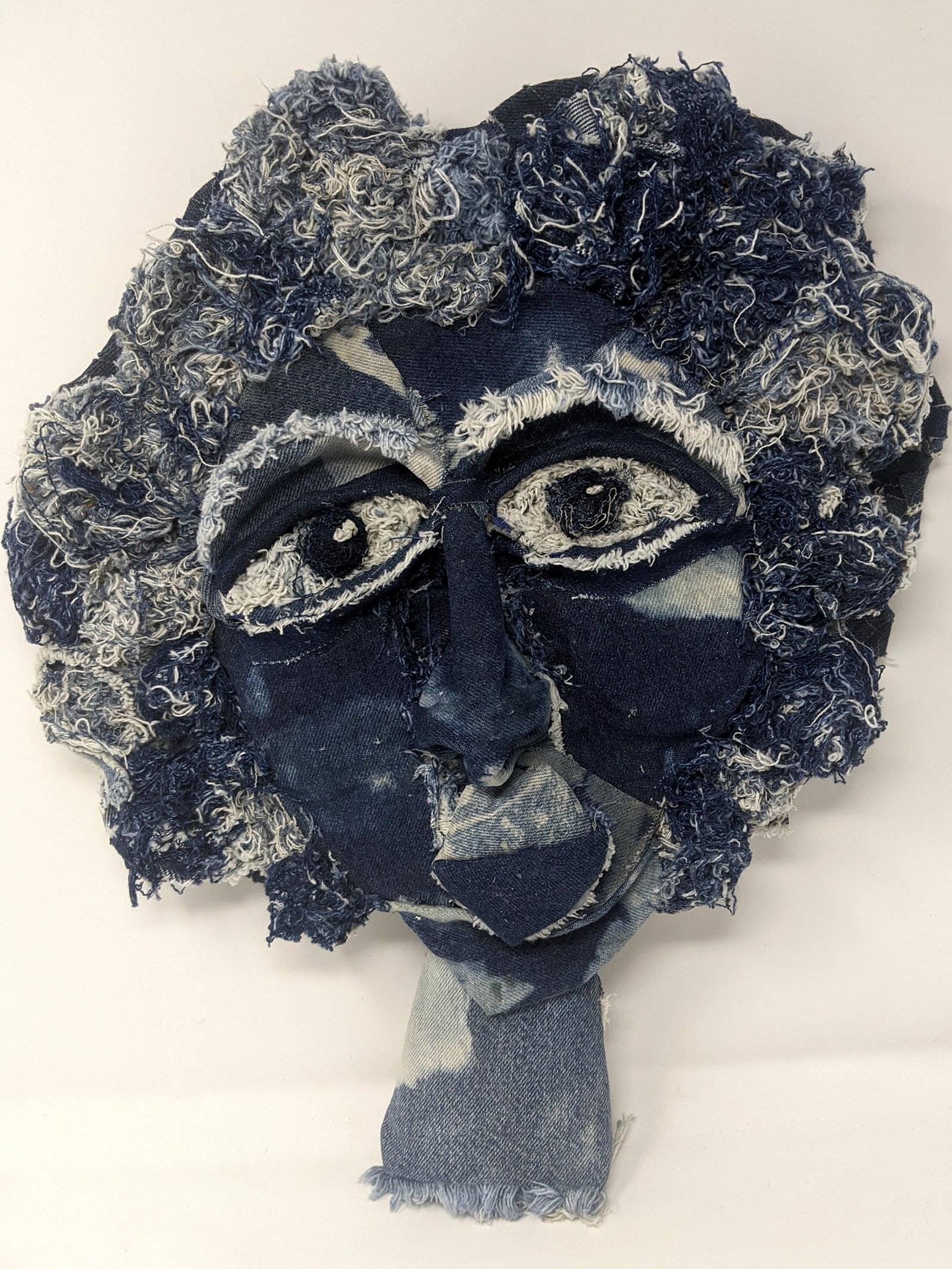
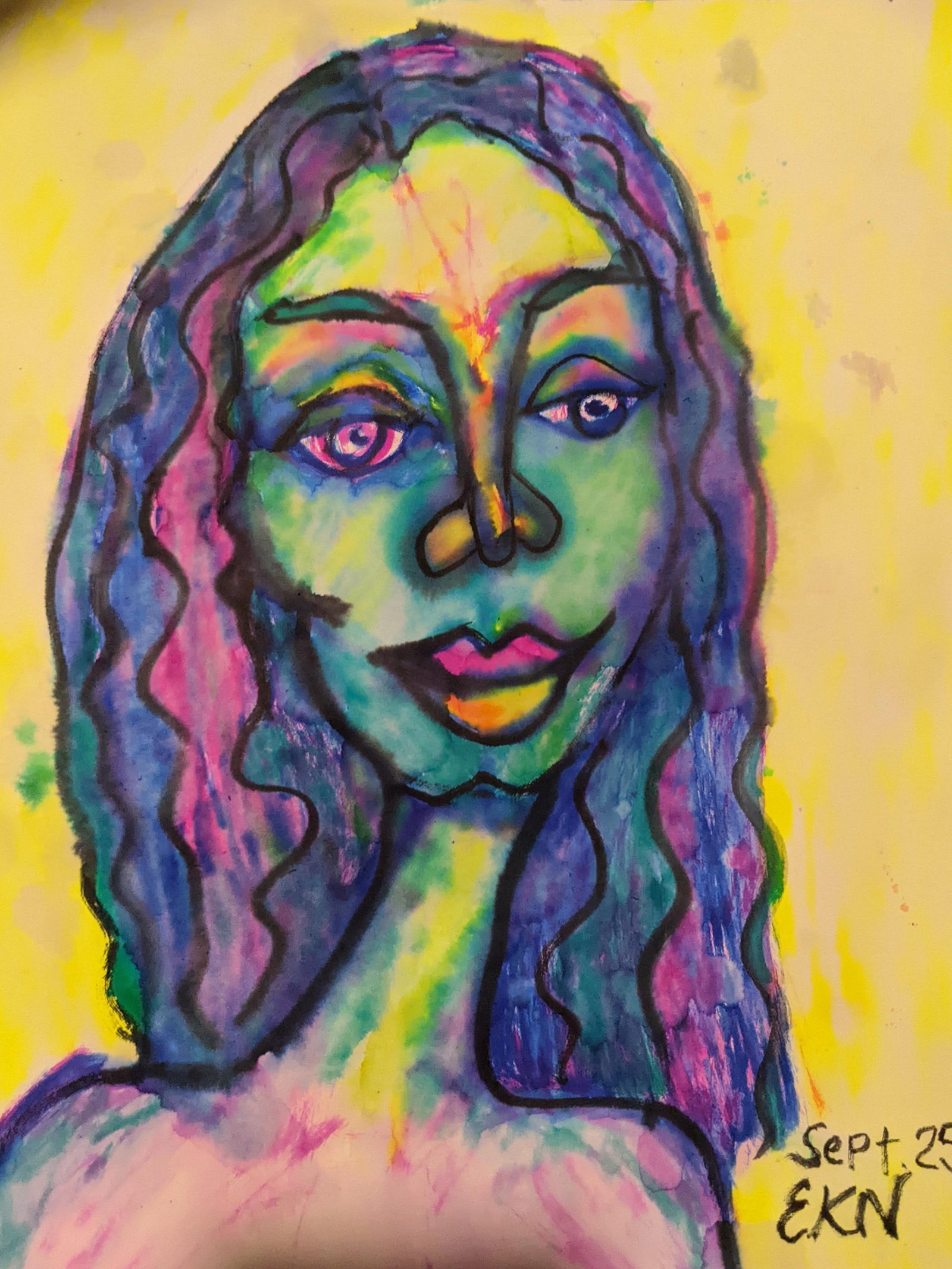
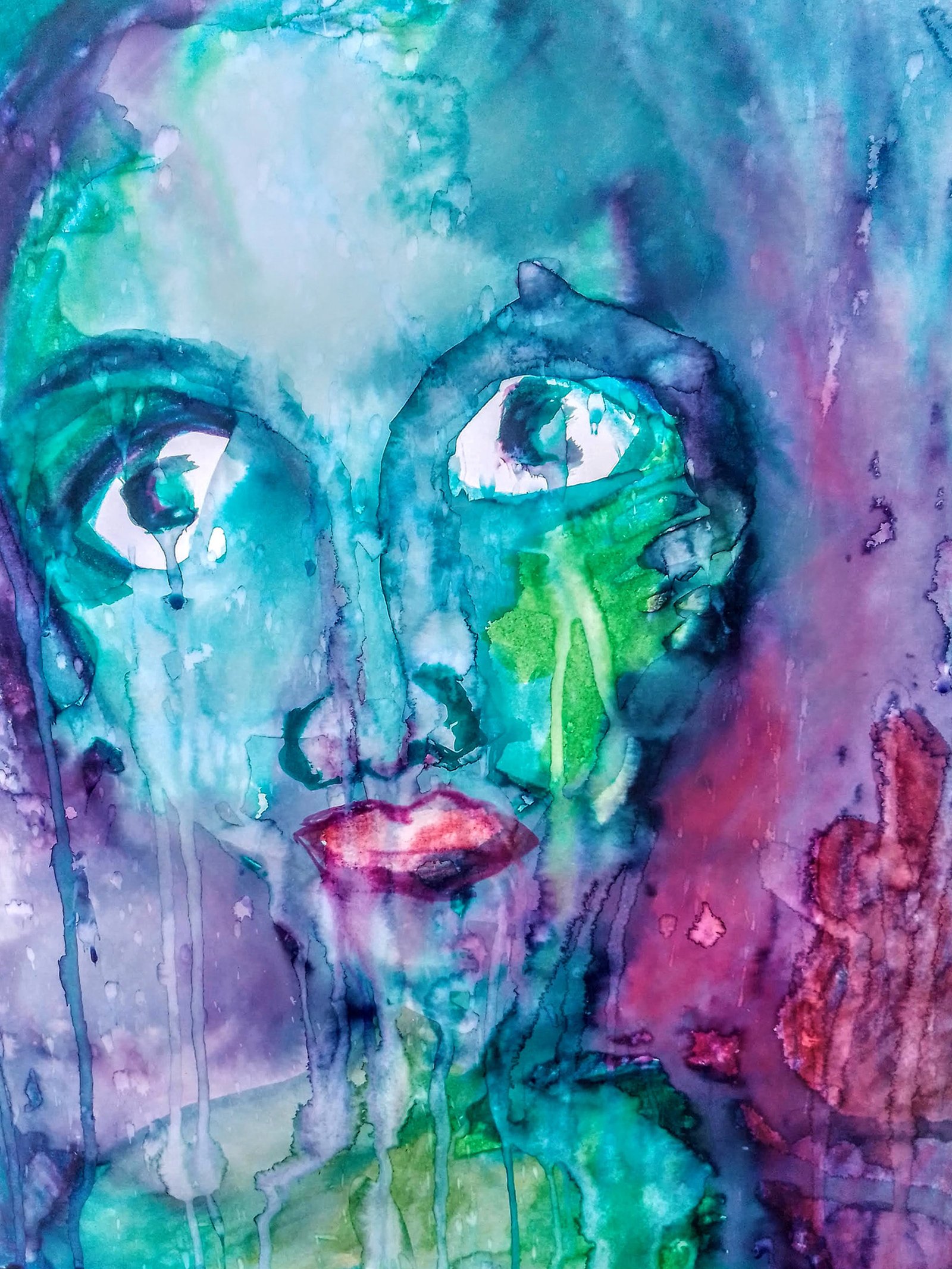
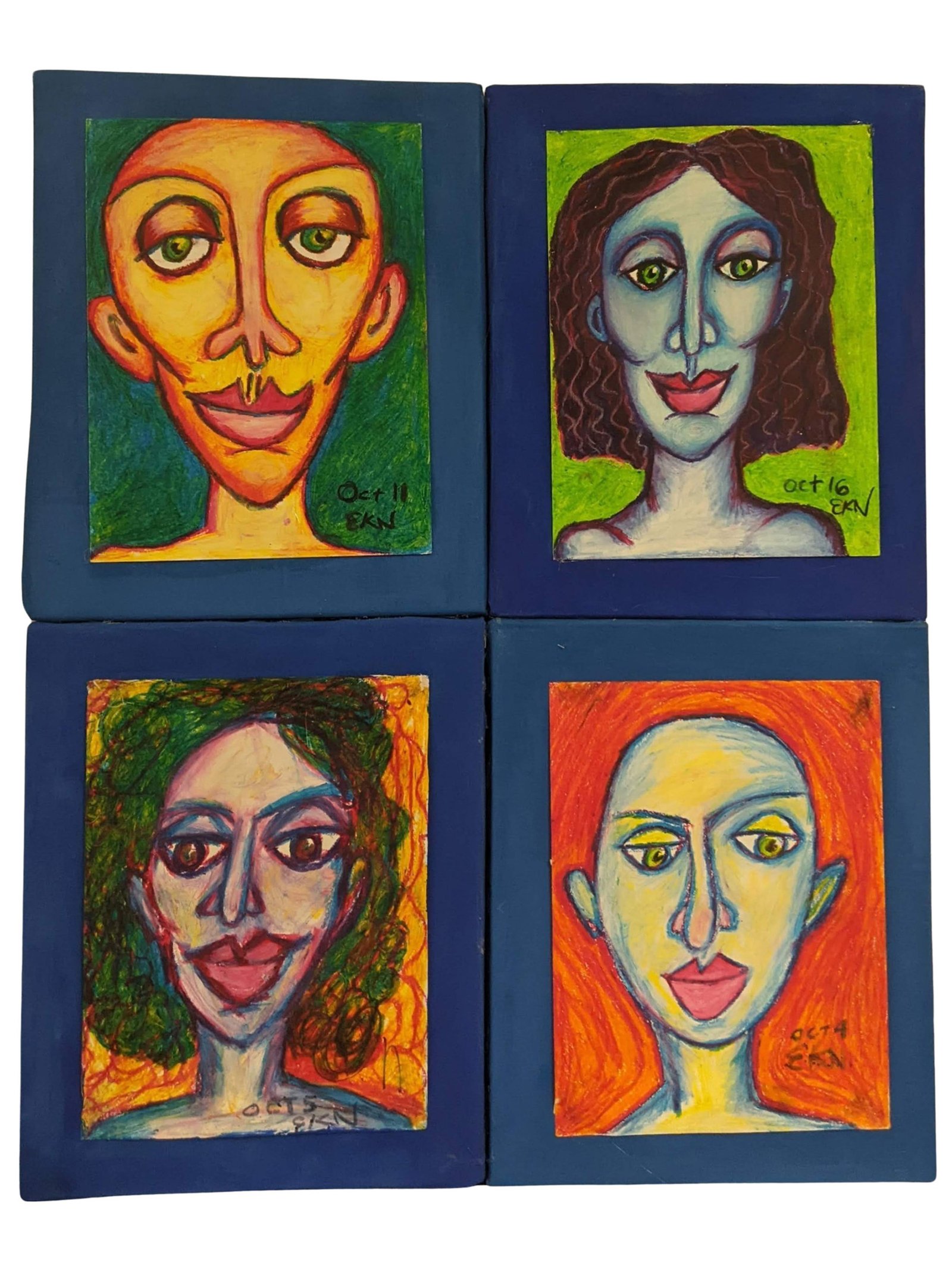
For more than a century, the University of the Arts in Philadelphia stood as one of the city’s most important creative institutions. Located in the heart of Center City along Philadelphia’s Avenue of the Arts, UArts helped shape generations of painters, sculptors, performers, designers, musicians, filmmakers, writers, educators, and cultural leaders. For artists like Emily-Kate Niskey, earning a Bachelor of Fine Arts in Sculpture from the University of the Arts was more than a degree. It was an entrance into a serious creative lineage rooted in craft, experimentation, discipline, and artistic independence.
The school’s history reaches back to the 19th century, when Philadelphia was building its reputation as a major center for industry, design, museum culture, and arts education. What later became the University of the Arts grew out of earlier institutions, including the Philadelphia College of Art and the Philadelphia College of the Performing Arts. These schools carried forward a powerful belief: that artists should be trained not only to make beautiful work, but to think, question, build, perform, teach, and contribute to culture. The Philadelphia College of Art and the Philadelphia College of Performing Arts merged in 1985, and the institution later became known as the University of the Arts after receiving university status in 1987.
That combination of visual and performing arts made UArts distinctive. It was not simply a fine arts school. It was a place where sculpture, painting, photography, illustration, music, theater, dance, film, design, and writing existed side by side. Students were surrounded by people who were constantly making, rehearsing, sketching, editing, building, performing, and experimenting. That kind of environment matters. It teaches artists that creativity is not one lane. It is a full ecosystem.
For a sculpture student, that world would have been especially rich. Sculpture demands physical intelligence. It asks an artist to understand material, space, form, balance, structure, and presence. At a school like UArts, sculpture was not only about objects. It was about how work lives in a room, how it speaks to the body, and how it connects to viewers. That foundation fits Emily-Kate’s story well because her work has always lived at the intersection of visual art, performance, storytelling, education, and community.
UArts also belonged to Philadelphia’s broader creative identity. Philadelphia is a city of murals, museums, artist-run spaces, historic architecture, public art, music, and neighborhood culture. It is a city where art does not only live inside institutions. It spills into streets, galleries, schools, collectives, churches, theaters, and community spaces. For Emily-Kate, studying in Philadelphia placed her inside a working arts city, not an isolated academic bubble. That matters when telling the story of an artist whose career has included sculpture, mixed media, teaching, children’s books, community programming, and healing-centered creative work.
The school’s alumni list reflects that wide creative reach. Gen X readers will recognize several names connected to UArts and its predecessor schools. Kate Flannery, best known as Meredith Palmer from The Office, earned a BFA in acting from the University of the Arts and has spoken publicly about her time studying and working in Philadelphia. Joe Dante, director of Gremlins and The ’Burbs, studied at the Philadelphia College of Art, giving the school a fun connection to the offbeat movie culture many Gen Xers grew up with. Heather Donahue, known for The Blair Witch Project, is also listed among UArts alumni, linking the school to one of the defining indie-horror moments of the late 1990s.
The alumni story stretches beyond film and television. Stanley Clarke, the legendary jazz bassist and Grammy-winning musician, is associated with the Philadelphia Musical Academy, one of the predecessor institutions that shaped the UArts legacy. In visual culture, Irving Penn, one of the most influential photographers of the 20th century, studied at the Pennsylvania Museum School of Industrial Art, another predecessor institution. His work in fashion photography, portraiture, and still life helped define the visual language of modern editorial photography. The celebrated illustrator Jerry Pinkney, known for his award-winning children’s books, also came through the school’s historical lineage, adding another layer to UArts’ deep relationship with storytelling and image-making.
That is what made the University of the Arts so important. Its influence was never limited to one field. Its graduates and connected alumni moved through Hollywood, jazz, photography, illustration, theater, design, education, and contemporary art. Some became household names. Others became working artists, teachers, community builders, gallery founders, creative directors, and cultural organizers. The school helped train people who understood that art could become a profession, a public language, and a lifelong calling.
In June 2024, the University of the Arts closed suddenly after nearly 150 years of history. The closure shocked students, faculty, alumni, and Philadelphia’s arts community. The Middle States Commission on Higher Education stated that the university had notified the commission of an unplanned, imminent closure due to a cash-flow issue before accreditation was withdrawn. The ending was painful, but it does not erase the school’s influence. In fact, the Historical Society of Pennsylvania has since announced the acquisition of UArts institutional records, preserving nearly 150 years of its creative, academic, and cultural history.
For Emily-Kate Niskey, the University of the Arts remains a meaningful part of her artistic foundation. Her BFA in Sculpture connects her to a Philadelphia institution known for serious creative training, interdisciplinary practice, and a long history of shaping artists who move between the studio, the classroom, the stage, and the community.
The University of the Arts may no longer operate as it once did, but its legacy continues through the artists it formed. Every graduate carries a piece of that history forward. In Emily-Kate’s work, that legacy lives on through form, memory, resilience, teaching, and a lifelong belief that art has the power to connect people across generations.