When I was diagnosed with breast cancer in March of 2011, my life changed in ways I could not have prepared for. One day I was moving through the ordinary demands of being a wife, mother, artist, and woman with a full life. The next, my calendar was filled with doctors’ appointments, lab tests, surgeries, emergency room visits, follow-ups, and words I never expected to become fluent in. Cancer has a way of taking over the room before you even understand it has entered.
This first blog post began because I wanted to create something useful from that experience. Not just a place to tell my story, but a place where people touched by breast cancer could find connection, encouragement, and community. I wanted to help create a space for survivors, friends, caregivers, spouses, children, sisters, fathers, and the people who love someone through illness. When you are going through cancer, information matters. Treatment matters. Doctors matter. But so does being held, seen, driven, fed, texted, listened to, and loved.
“It’s the friends you can call up at 4 a.m. that matter.” — Marlene Dietrich
At the time of my diagnosis, I was living nearly 3,000 miles away from many of the people who had known me the longest. I did not have a driver’s license. I did not have a car. Suddenly, I needed to get to more appointments than any one person should reasonably have to attend, and the practical side of being sick became overwhelming very quickly. Cancer does not only ask whether you are emotionally ready. It asks who can drive you. Who can sit with you. Who can help you stand up. Who can help you get dressed. Who can be there when bravery is no longer cute or poetic, but simply necessary.
That is when my friend Karin showed up.
Karin and I had only met a few months before my diagnosis, which still amazes me. She had no long history with me, no childhood bond, no family obligation, no decades of shared stories. And yet, when I needed help, she stepped forward with a kind of generosity that changed everything. She offered to take me to appointments, but what she gave me went far beyond transportation. She held my hand when I was scared. She made me laugh when I wanted to cry. She sat with me in waiting rooms, hospitals, and all the strange spaces where illness makes time feel suspended.
She bought me monkey pajamas.
That may sound like a small thing, but anyone who has been truly sick knows that small things can become enormous. A pair of ridiculous pajamas can become comfort. A joke can become oxygen. A friend who refuses to treat you like a tragedy can help you feel human again.
Karin helped me through some of the most vulnerable moments of my life. She helped empty my drains. She helped me bathe. She helped me get dressed. These are not glamorous acts of friendship. They are intimate, practical, humbling acts of care. They are the things people do when love stops being an idea and becomes a pair of hands, a ride to the doctor, a clean shirt, a steady voice, and someone willing to stay.
I honestly do not know how we would have gotten through that time without her.
There were others, too. One of the unexpected gifts of social networking was that people from different chapters of my life began to return. Old friends, family members, and people I had not spoken to in years reached out. Some sent messages. Some stayed up with me during sleepless nights. Some offered encouragement from far away. Some reminded me of the person I had been before cancer tried to make itself the main character in my life.
Those late-night conversations mattered. When the house was quiet and my mind would not rest, there was often someone on the other end of a message, helping me make it through the hour. I began to understand that support does not always arrive in grand gestures. Sometimes it arrives as a simple hello. Sometimes it is a note at midnight. Sometimes it is a memory shared by someone who knew you when your life was something entirely different.
People kept telling me I was strong. At first, I did not believe them. I felt tired, frightened, angry, and unsure of my own body. I did not feel inspiring. I felt like a woman trying to get through the next appointment, the next procedure, the next wave of fear. But after a while, when enough people hold up a mirror and say, “You are still here. You are still you. You are stronger than you think,” something begins to shift. You borrow their belief until your own strength returns.
That is the part of friendship we do not talk about enough. Friends do not always fix things. Most of the time, they cannot. They cannot take away the diagnosis. They cannot make the scan results come faster. They cannot erase pain, fear, or uncertainty. But they can sit beside you in it. They can remind you that you are not only a patient. You are not only a body being treated. You are a whole person with history, humor, dignity, memory, and a future still worth imagining.
My family gave me that same medicine in their own way. The hugs and kisses from my husband and children carried me through days when I felt emptied out. The visits from my sister and my dad gave me comfort that medicine alone could not provide. There is something deeply grounding about being surrounded by the people who know where you come from. They remind you that your life is larger than the illness, that your story began long before cancer and will continue beyond it.
I do not say this to suggest that love replaces medical treatment. It does not. Surgery, medication, radiation, chemotherapy, and skilled physicians are essential. I am deeply grateful for the medical care that helped save my life. But I also know that the soul needs treatment, too. The body can be attended to in examination rooms, but the spirit is often restored in kitchens, cars, bedrooms, hospital chairs, phone calls, and quiet moments when someone chooses not to leave.
Friendship is not a cure, but it is medicine.
It is medicine when someone drives you to an appointment because you cannot drive yourself. It is medicine when someone makes you laugh in the middle of a frightening day. It is medicine when someone sees your scars, your drains, your exhaustion, your fear, and does not look away. It is medicine when someone remembers that you are still a woman who likes beauty, jokes, coffee, art, family, and absurd pajamas.
That kind of friendship changes you.
My breast cancer journey taught me many things, some of them hard and some of them beautiful. One of the clearest lessons was that we are not meant to survive alone. Even the strongest person needs support. Even the most independent woman needs a hand sometimes. Strength is not pretending you do not need anyone. Strength is knowing when to reach out and allowing yourself to be cared for.
If you are facing breast cancer, I hope you will reach toward someone. A friend. A family member. A support group. A counselor. An online community. A person who can sit with you honestly. You do not have to perform bravery every minute of the day. You do not have to make everyone else comfortable with your illness. You are allowed to need help. You are allowed to be scared. You are allowed to be held.
And if you are not facing breast cancer, but you know someone who is, reach out. Do not wait for perfect words. There are no perfect words. Send the message. Make the call. Offer the ride. Drop off the food. Sit in the waiting room. Ask what is needed, and then listen carefully. Sometimes a simple hello can be enough to interrupt someone’s loneliness. Sometimes the smallest gesture becomes the thing a person remembers years later.
I began this blog because friendship helped carry me through one of the most difficult seasons of my life. I wanted to honor that. I wanted to build from it. I wanted to create a place where love, honesty, fear, humor, and survival could sit at the same table.
Plato wrote, “The greatest mistake in the treatment of diseases is that there are physicians for the body and physicians for the soul, although the two cannot be separated.”
I understand that now in a way I did not before.
My doctors treated my body. My family and friends helped treat my soul. Karin, with her rides and her courage and her monkey pajamas, became part of my healing. So did every person who reached out, stayed up late, sent love, visited, listened, laughed, cried, or reminded me that I was not alone.
Friendship may not come in a prescription bottle, but it is powerful.
It is ordinary and sacred at the same time.
And sometimes, when the night is long and the fear is loud, the friend you can call at 4 a.m. really is the one who helps you make it to morning.
After writing about First Friday in Philadelphia, I found myself thinking about how that same idea travels. Philadelphia’s Old City First Friday has its own
Last week, we received the heartbreaking news that our beloved alma mater, the University of the Arts in Philadelphia, was abruptly closing its doors after
Long before Philadelphia’s First Friday gallery scene became a regular part of the city’s cultural rhythm, a group of artists decided to build the kind
Before Emily-Kate Niskey became a visual artist, arts educator, author, and creative leader, she was part of a living musical tradition. She was born into
Emily-Kate Portfolio
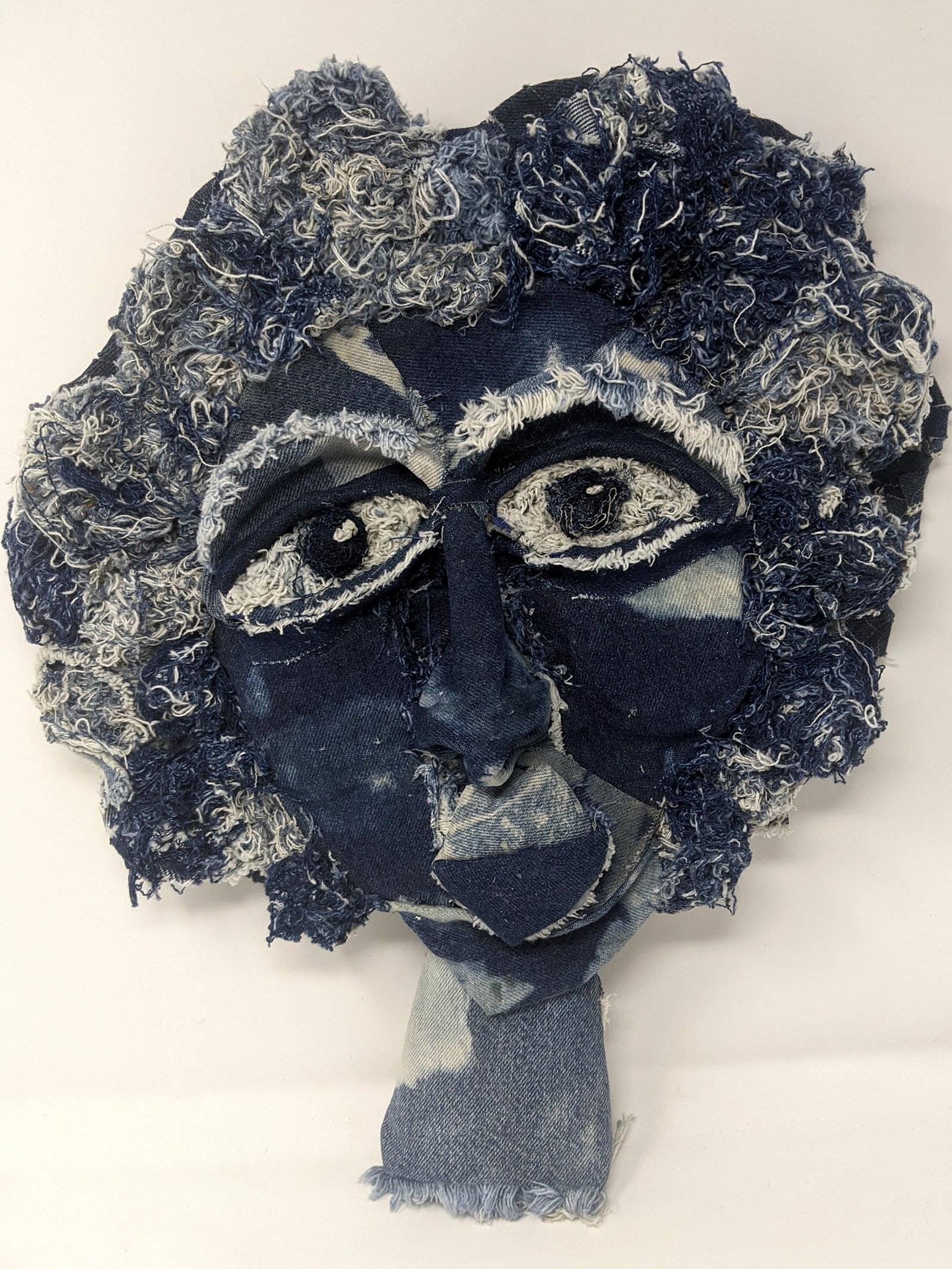
A sculptural textile portrait made from denim, memory, texture, and hand-built expression.
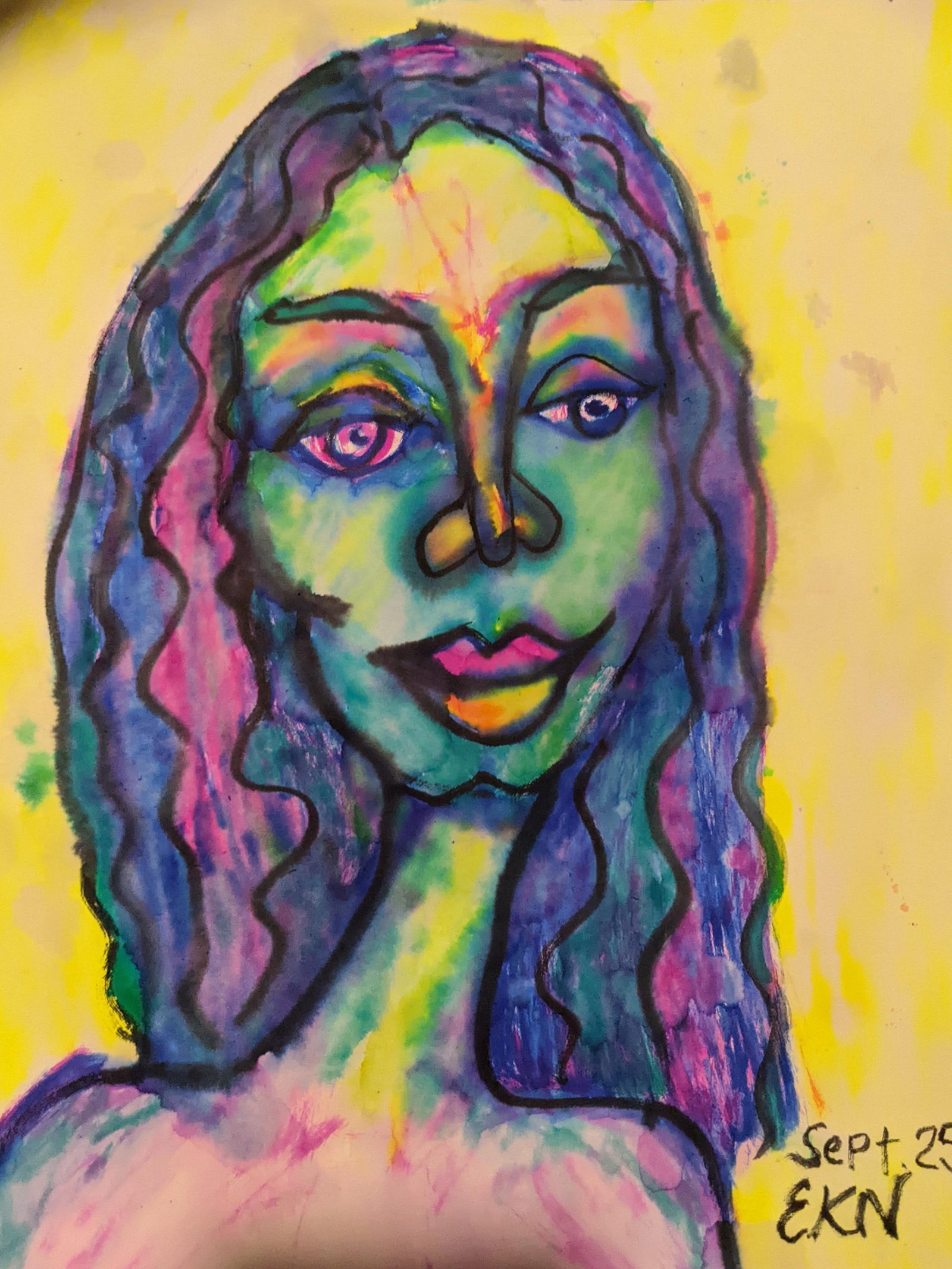
A vibrant portrait filled with movement, transformation, and emotional color.
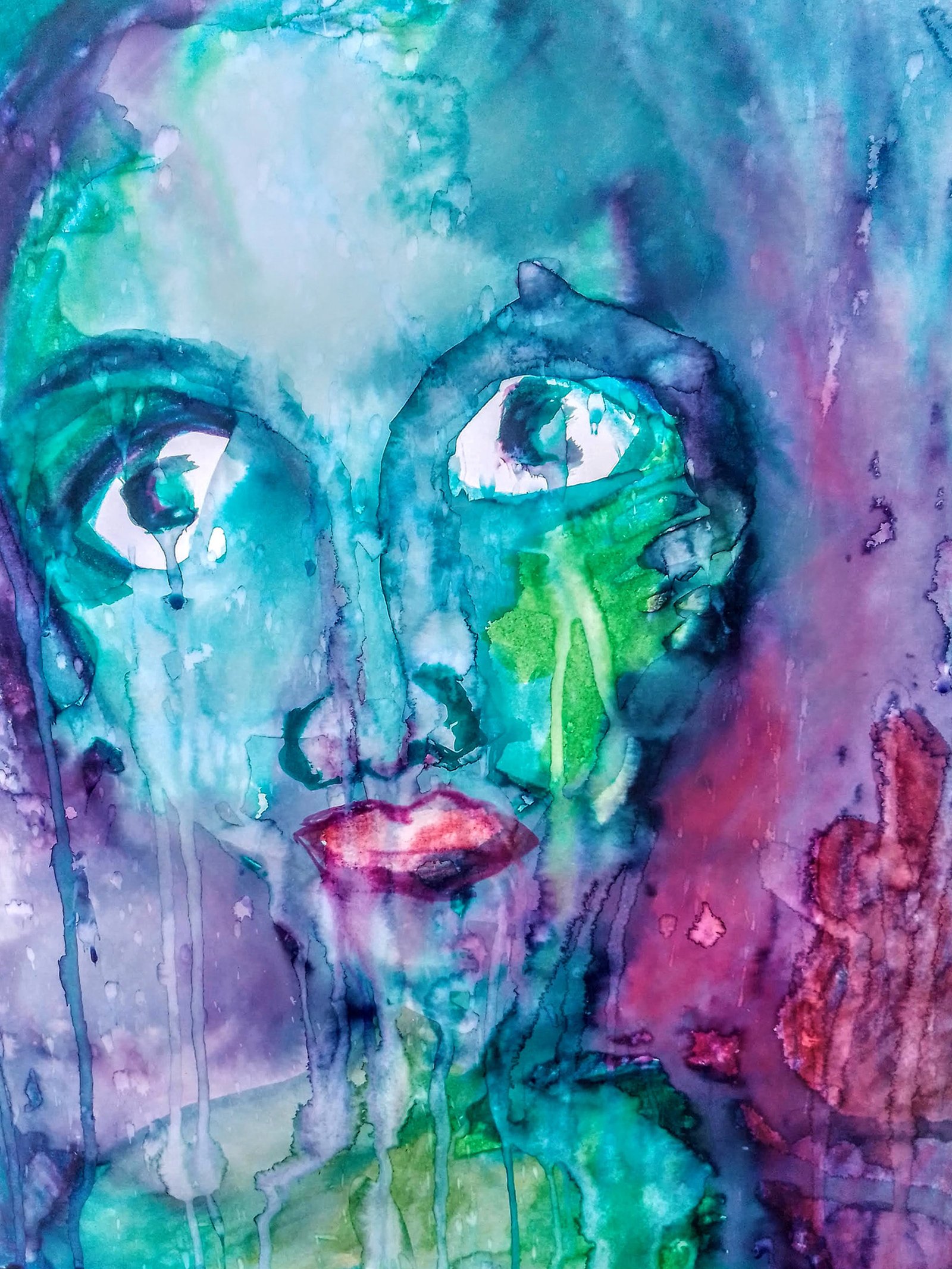
A dreamlike watercolor portrait where emotion flows through color, water, and movement.
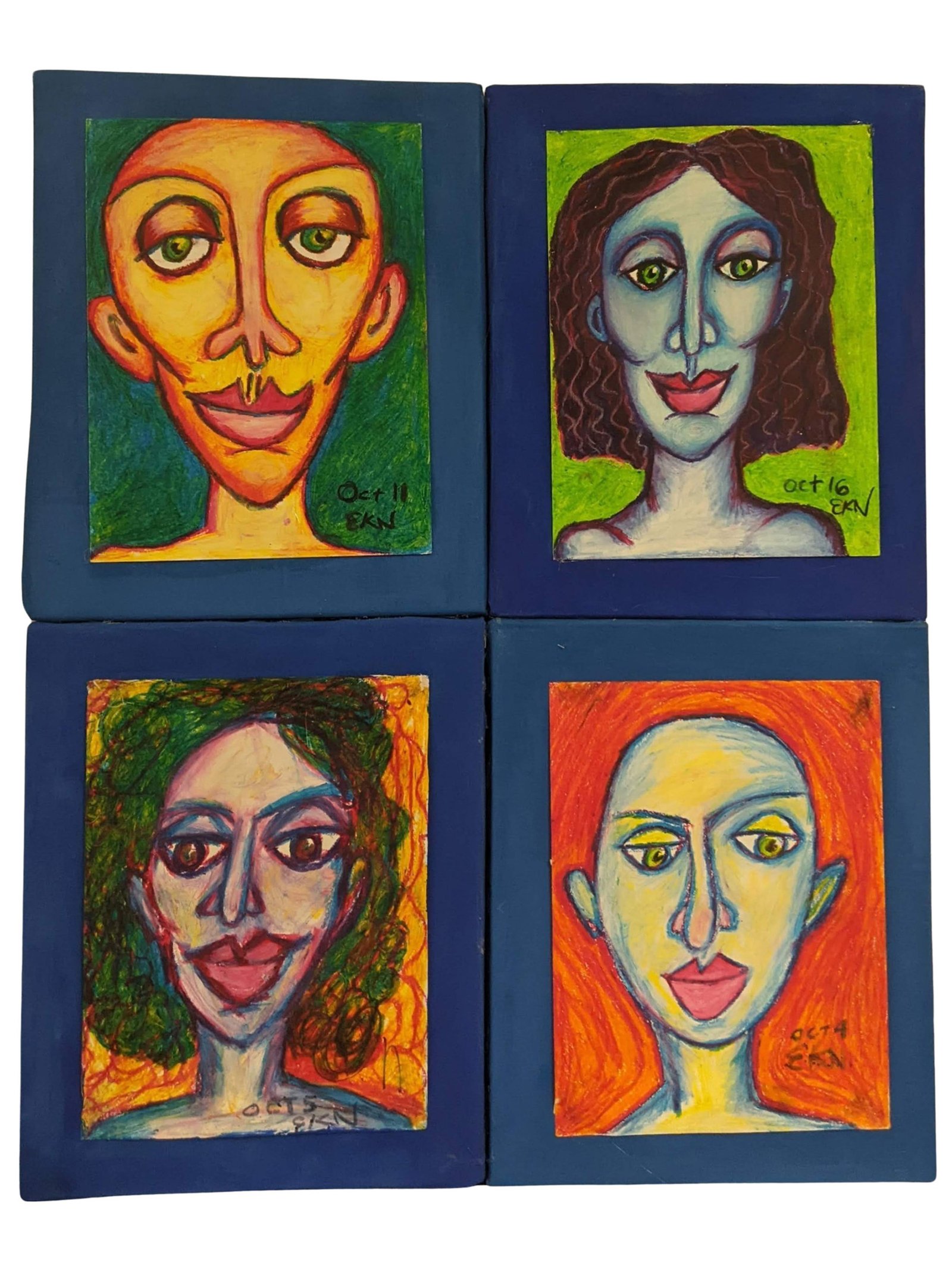
A four-part portrait grouping exploring identity, personality, and emotional presence through bold color and expressive line.