Long before Philadelphia’s First Friday gallery scene became a regular part of the city’s cultural rhythm, a group of artists decided to build the kind of space they needed. That decision became Vox Populi, one of Philadelphia’s most important artist-run contemporary art galleries and collectives. Founded in 1988, Vox Populi grew out of a simple but powerful idea: artists should not have to wait for permission to show challenging, experimental, or independent work. They could build the platform themselves.
The name Vox Populi means “voice of the people,” and that spirit has shaped the gallery from the beginning. Vox was founded by Philadelphia artists including Ann Karlen, Mark Forsythe, Jennie Shanker, Julie Marquart, Jennie Desnouee, Michael Frechette, and Beth Rhodes. According to Vox Populi’s own history, the idea developed after conversations at Dirty Franks, a well-known Philadelphia gathering place, where artists discussed the lack of exhibition opportunities in the city. Flyers, posters, and word of mouth brought artists together for an open meeting, and thirty members joined the new collective.
That origin story matters because Vox Populi was not created as a polished institution from the top down. It was built from the ground up by working artists who understood that culture often begins when creative people organize themselves. Vox’s first location was on South 4th Street, just south of South Street. Over time, the gallery moved to 2nd and Church Streets, then to Cherry Street, and eventually to its current home at 319 North 11th Street in Philadelphia.
From the beginning, Vox Populi became more than a gallery. It became a working model for artist-led culture. The organization describes itself as an evolving collective dedicated to experimental contemporary art through a non-hierarchical, inclusive, and equitable framework. Its programming has included monthly exhibitions, public programs, performances, lectures, gallery talks, video projects, and exchanges with peer organizations.
That kind of structure asks a lot from artists. Members are not simply showing work and walking away. They help shape the direction of the organization. Vox Populi’s current collective model emphasizes that members are deeply involved in operations and programming, and that they are encouraged to take risks in a non-commercial, supportive environment.
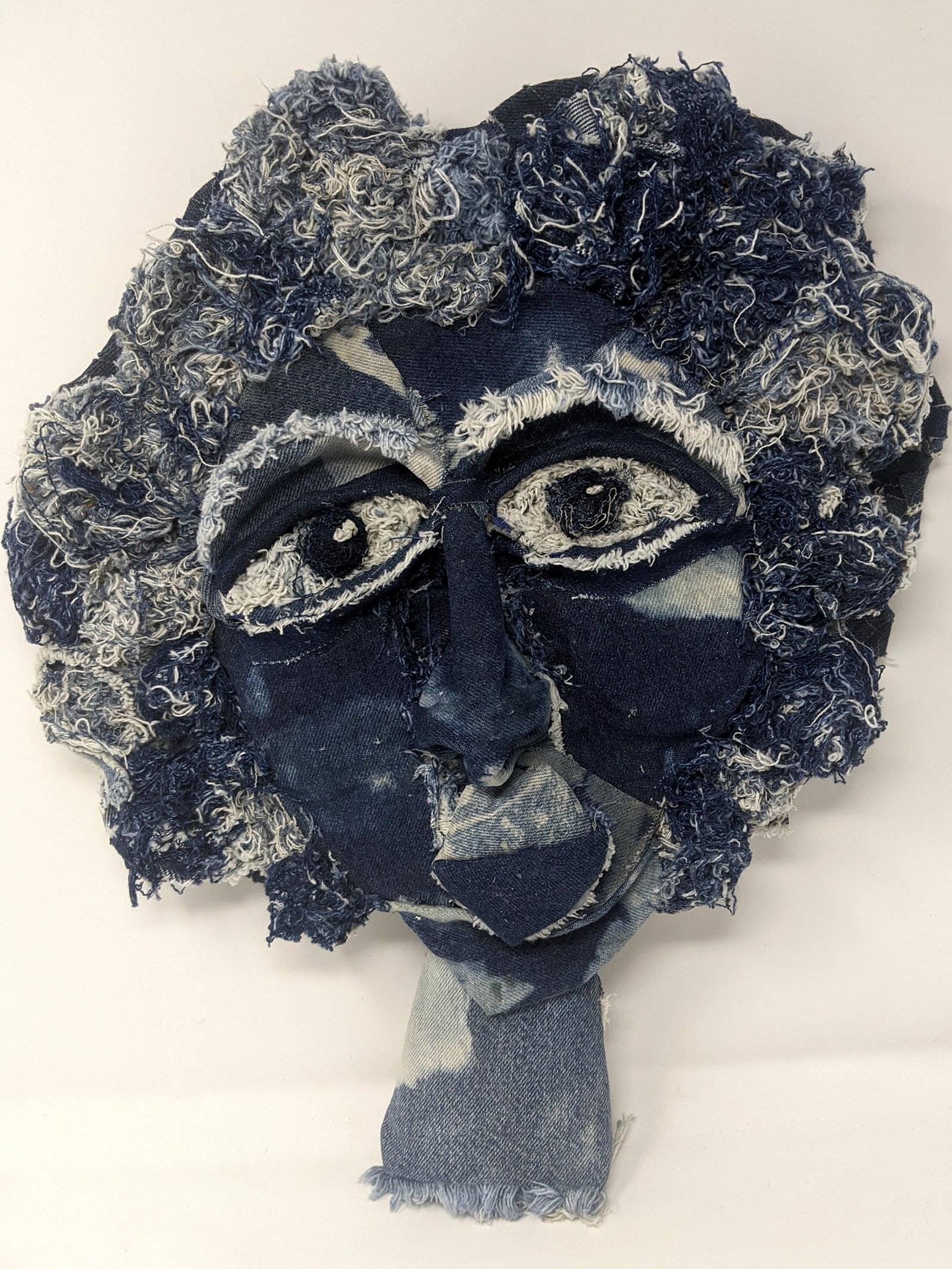
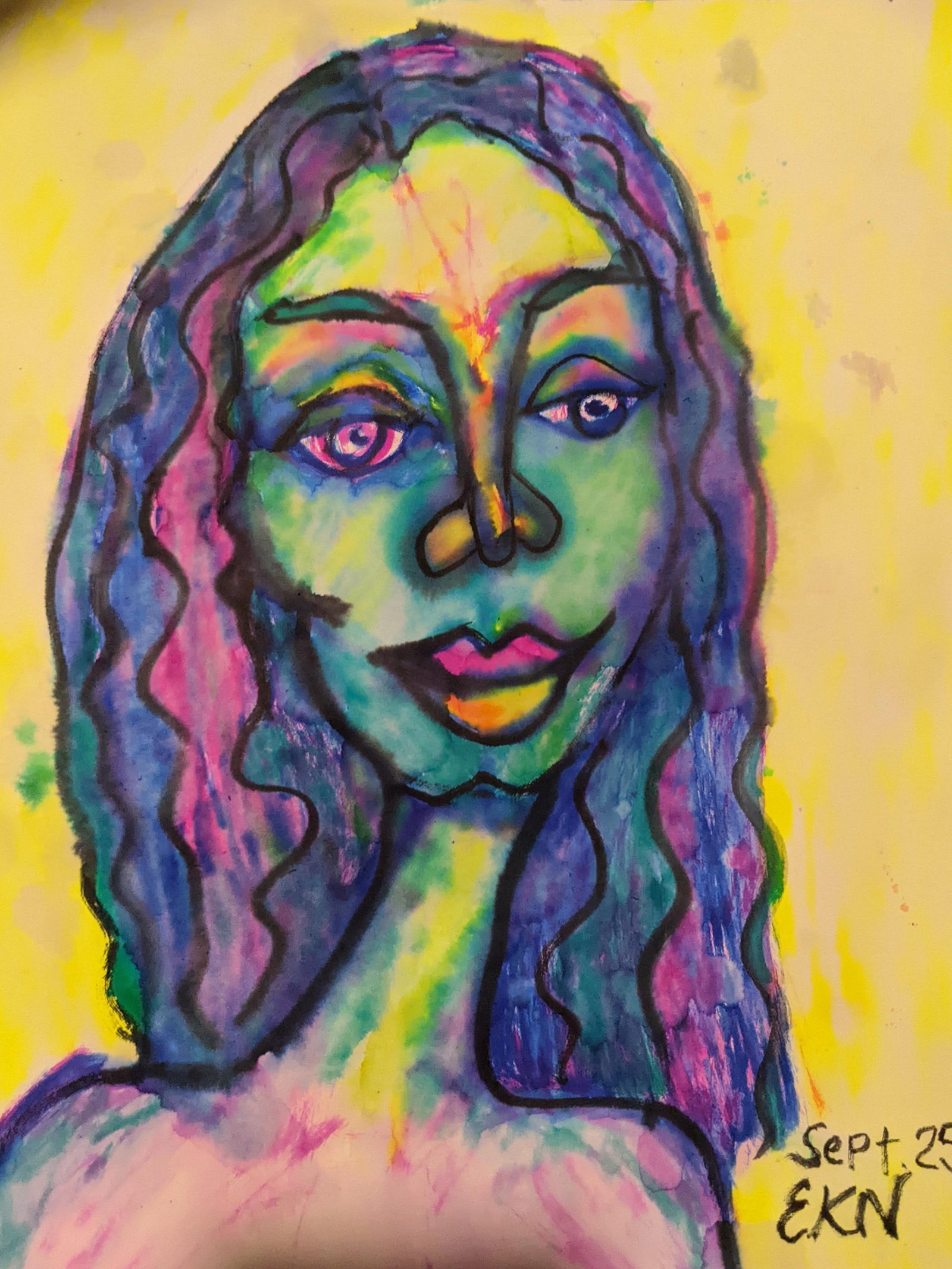
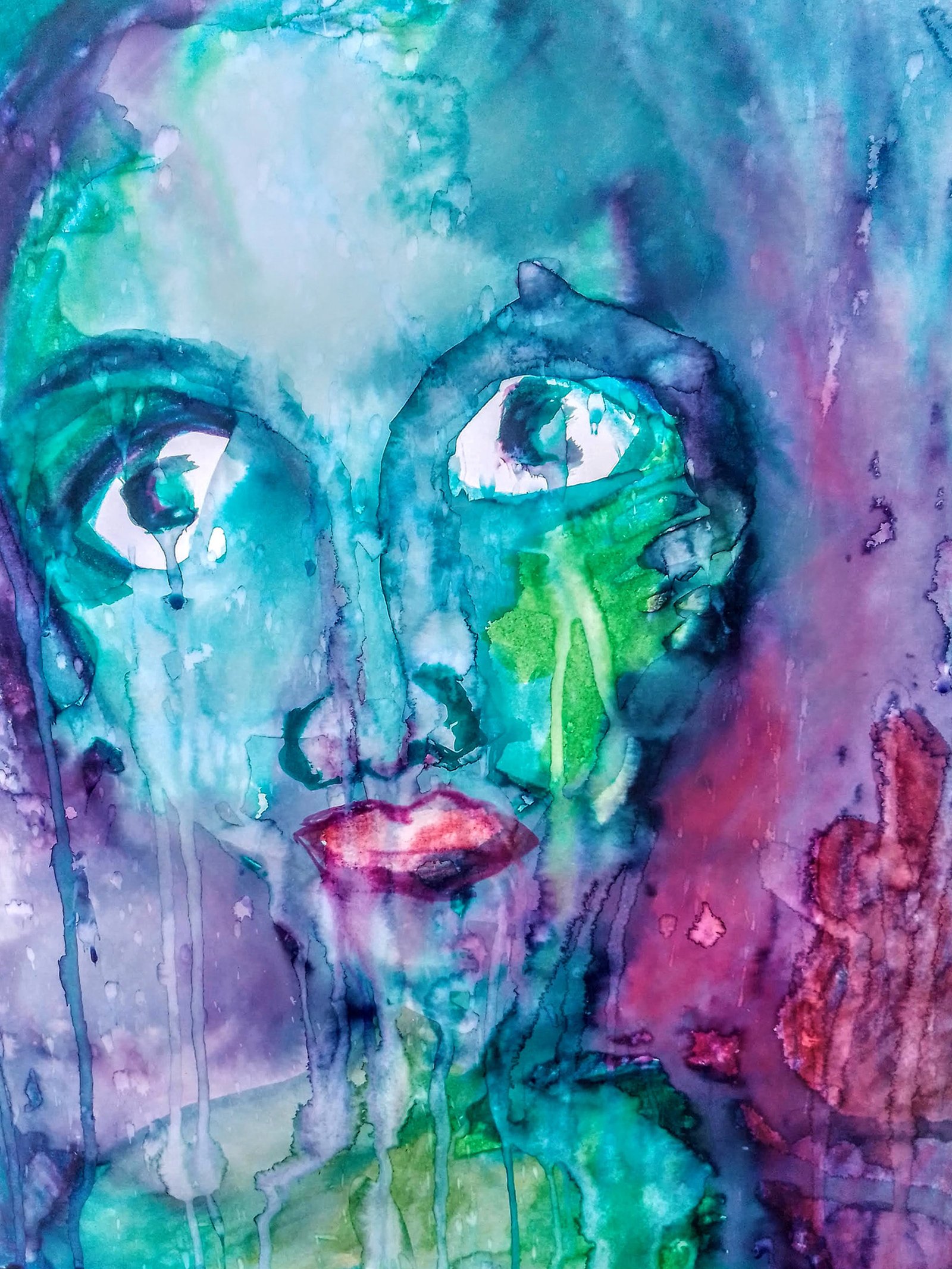
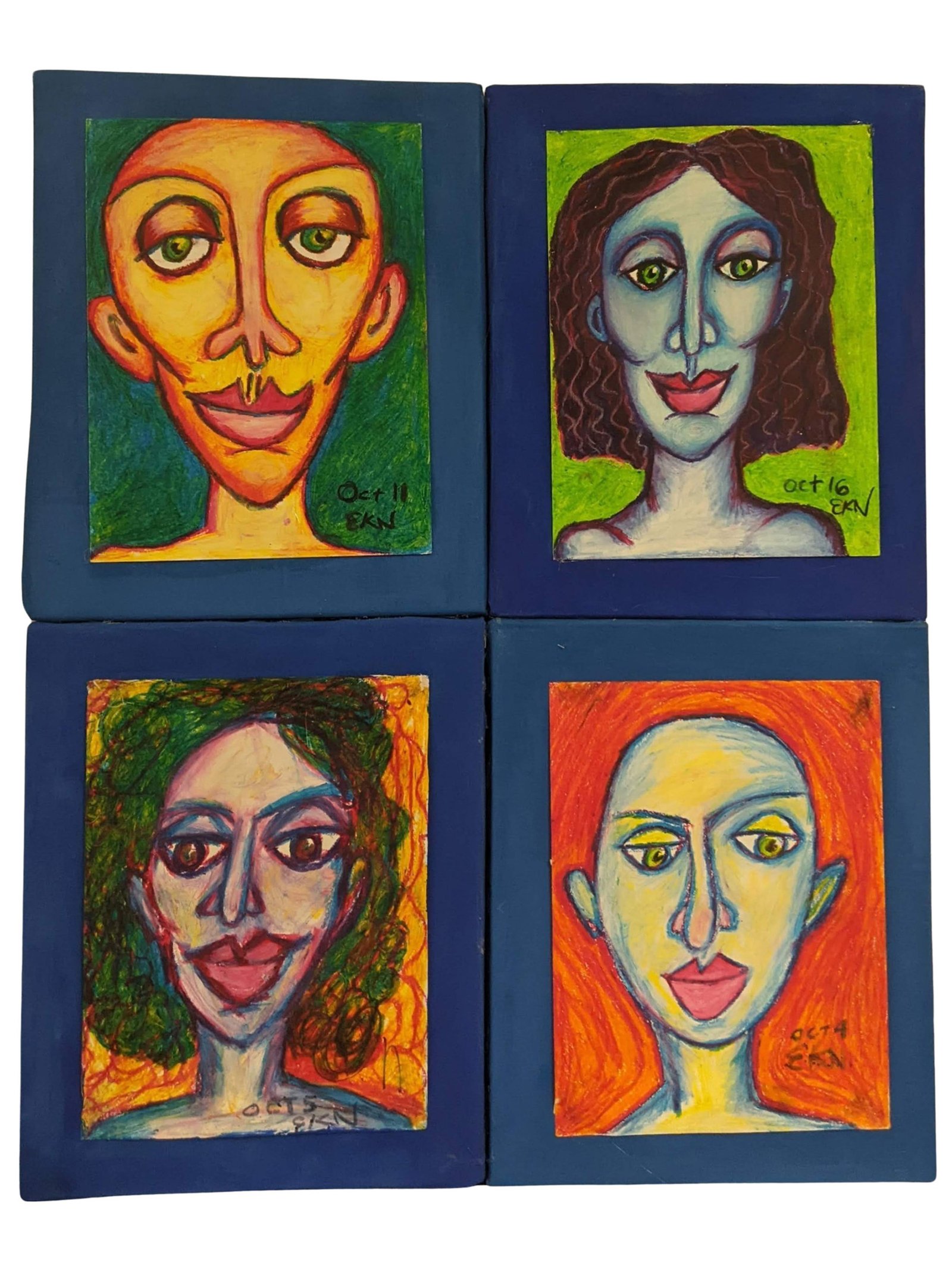
For Emily-Kate Niskey, being an original member of Vox Populi is a meaningful part of her artistic history. It places her inside a serious Philadelphia arts movement built around independence, experimentation, collaboration, and self-determination. This was not a passive moment in her career. It was part of a larger creative environment where artists created their own opportunities and helped shape the cultural life of the city.
Vox Populi’s importance also comes from its commitment to underrepresented and experimental artists. The Pew Center for Arts & Heritage describes Vox Populi as a contemporary art space and artist collective that supports challenging and experimental work through exhibitions, gallery talks, performances, lectures, and related programming. Pew also notes that Vox operates with rotating membership and collective practice, making it a vital forum for the development and exchange of artistic ideas.
Over the years, Vox Populi has developed a respected history of artist-members, alumni, guest artists, and cultural collaborators. Because Vox is not a school, “alumni” refers to former artist-members rather than graduates. Vox’s own exhibition history uses that language. In the 2016 exhibition No Wave Goodbye, Vox brought together former members, including Nadia Hironaka and Matthew Suib, Tristin Lowe, Tim Portlock, Paul Swenbeck, Roxana Pérez-Méndez, Laura Heyman, Mauro Zamora, and others.
Those names matter in the contemporary art world. Tim Portlock is known for digital and post-industrial visual work. Nadia Hironaka and Matthew Suib are respected video and media artists. Tristin Lowe is known for large-scale sculptural installations, including ambitious inflatable and mixed-media works. Paul Swenbeck has built a strong reputation across sculpture, ceramics, and installation. These are artists whose careers reflect the kind of experimental, cross-disciplinary energy Vox has long supported.
Vox Populi’s influence also extends beyond its member artists. Its exhibitions and programming have intersected with major figures in contemporary, underground, and experimental culture. The Pew Center notes that Vox’s Dead Flowers exhibition included work by Alvin Baltrop, Genesis Breyer P-Orridge, Kembra Pfahler, Paul Thek, and others. That is a serious cultural range, connecting Vox to photography, performance, queer underground culture, postwar art history, and experimental music.
Music and performance have also been part of Vox’s wider history. The gallery’s programming has included experimental live events, with Artblog noting performances connected to Vox by groups such as Comets on Fire, Growing, and Gang Gang Dance. That crossover between visual art, performance, music, and independent culture is part of what made Vox Populi feel alive and unpredictable.
What makes Vox Populi special is not only that it has survived for decades. It created a model for how artists could build community, share power, take risks, and make space for work that did not always fit the commercial gallery system. Vox has never been only about art on walls. It has been about process, conversation, experimentation, and collective labor.
For Emily-Kate Niskey, Vox Populi belongs in her story because it reflects values that continue to shape her work today: artistic courage, community connection, storytelling, education, and creative independence. Her involvement with Vox places her within a Philadelphia legacy of artists who did not wait for the art world to open a door. They built one.
Vox Populi remains a powerful example of what can happen when artists organize around a shared purpose. Its history is a reminder that some of the most important cultural movements begin in small rooms, with handmade flyers, honest frustration, big ideas, and people willing to do the work.